Case Study: Creative World-Building, One Color At A Time
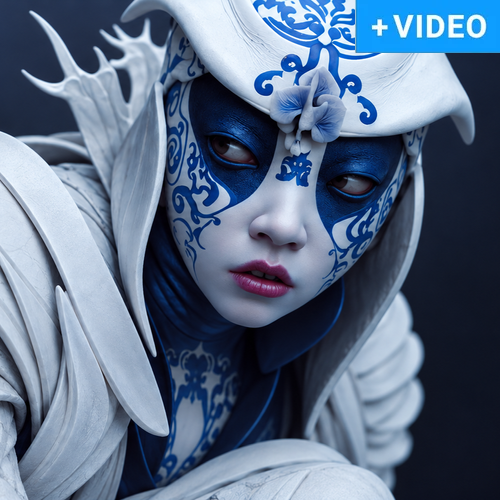
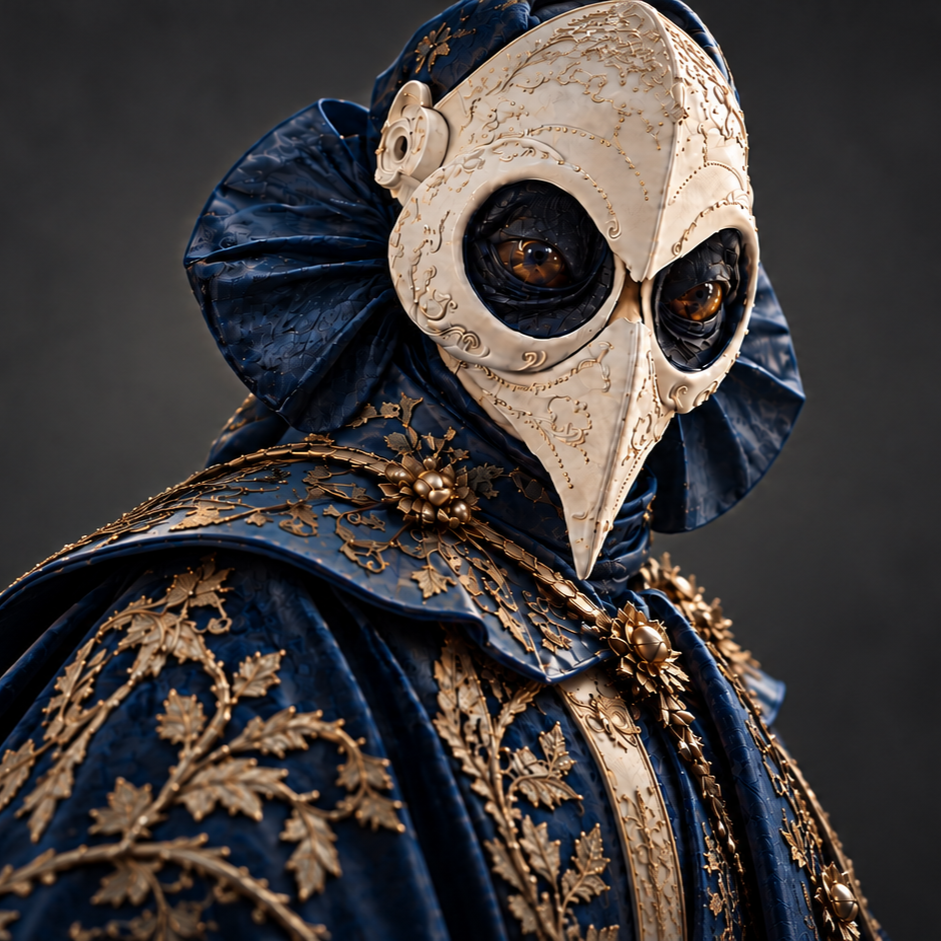
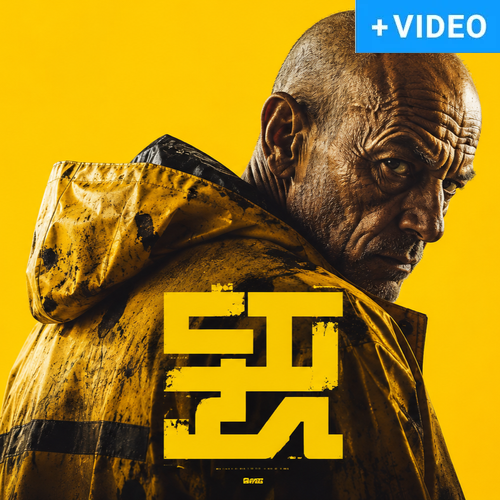
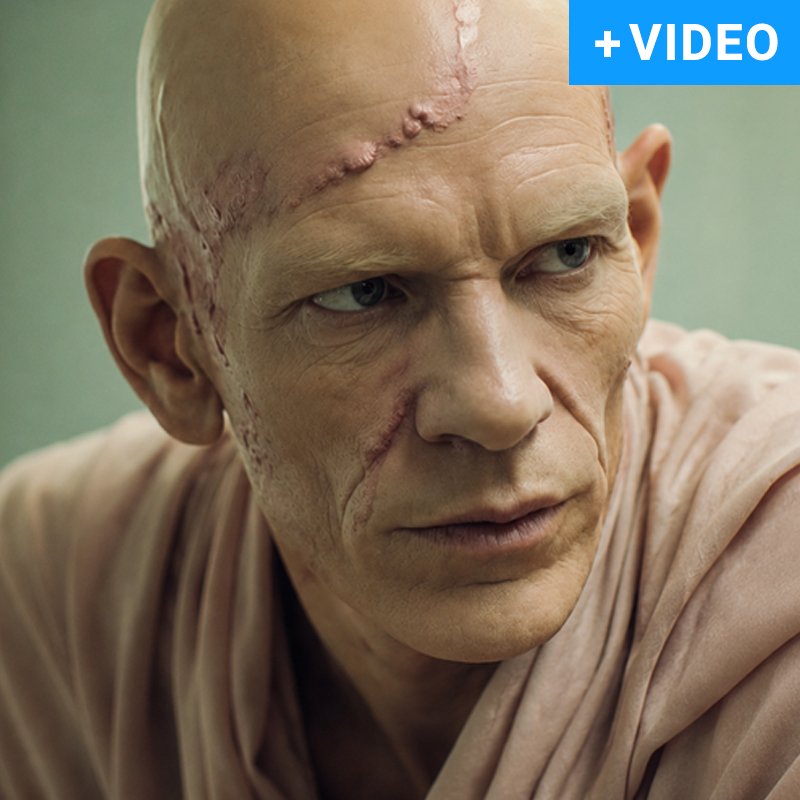
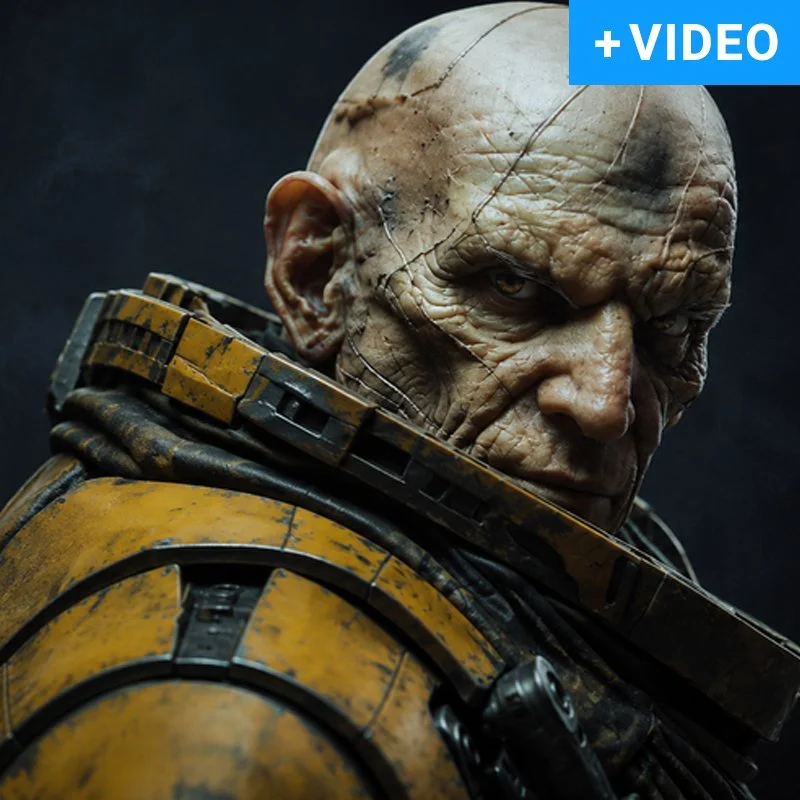
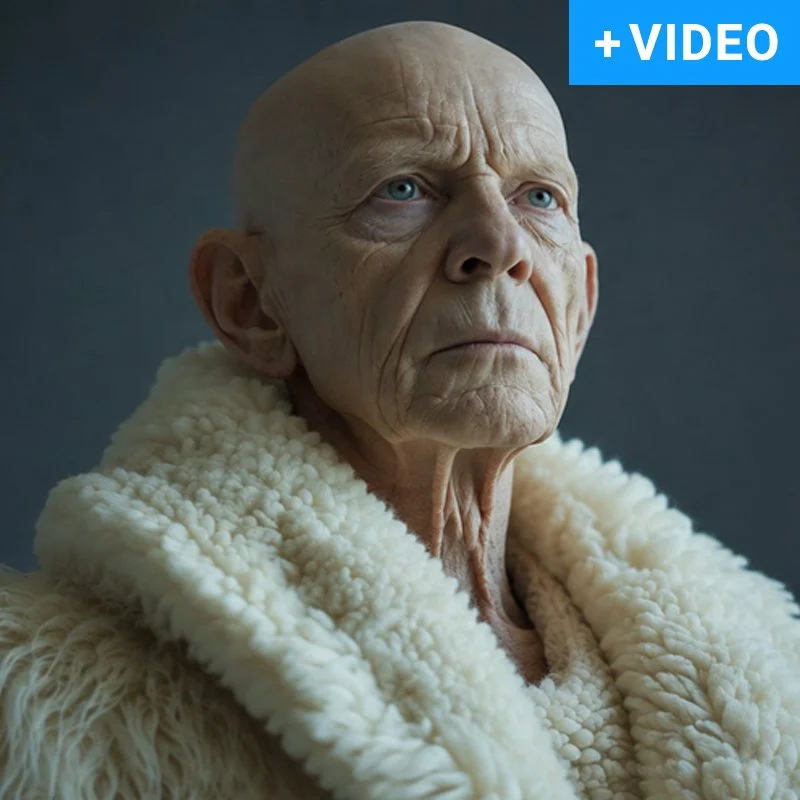
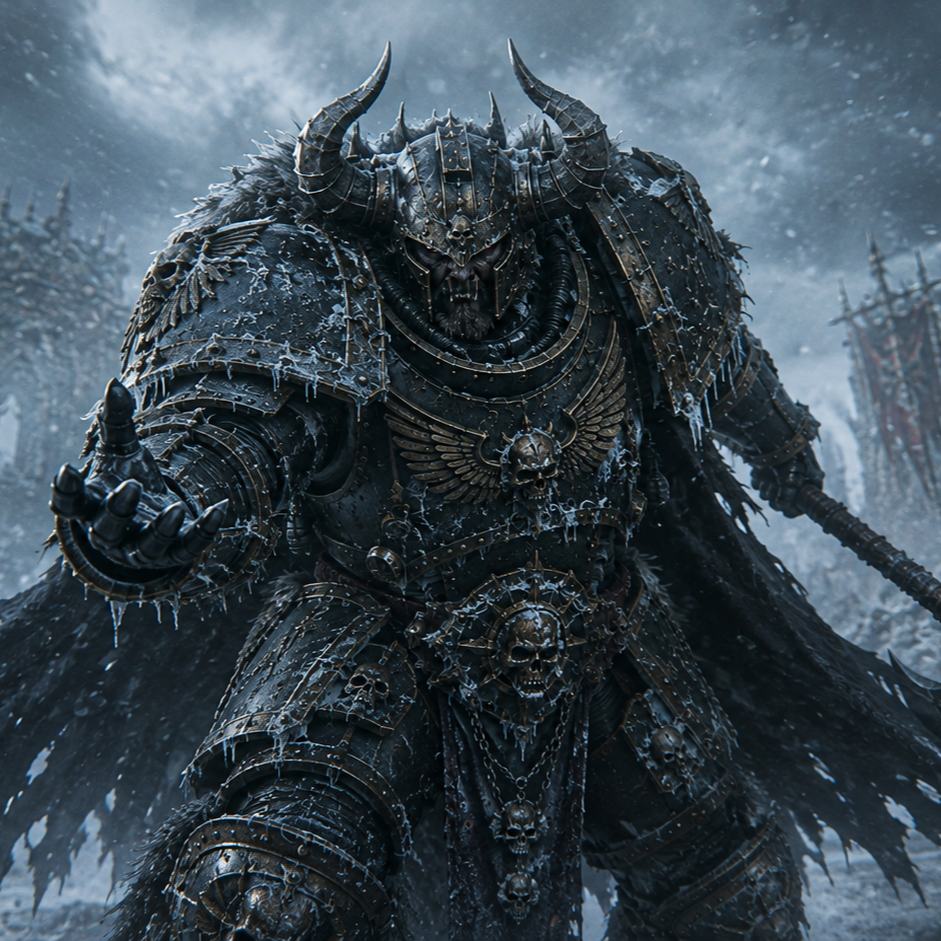
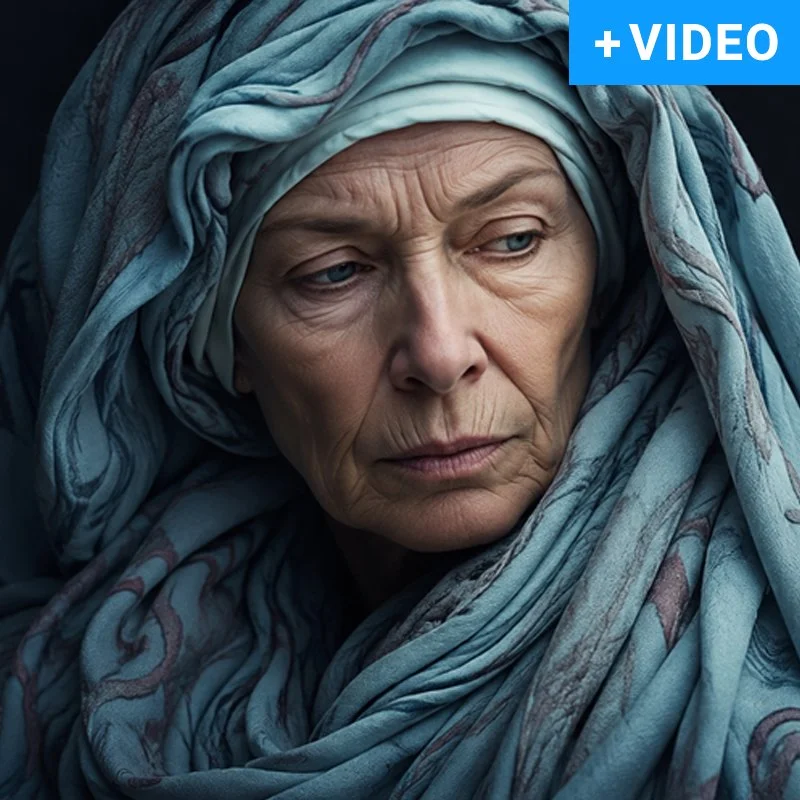
Cinematic world-building visualised entirely with AI. Five colour-coded saga cycles, more than 170 sets of characters, places, machines and even food, and a story you assemble yourself.
Self-initiated · 2022 to now · World design, character design, environment design, narrative structure
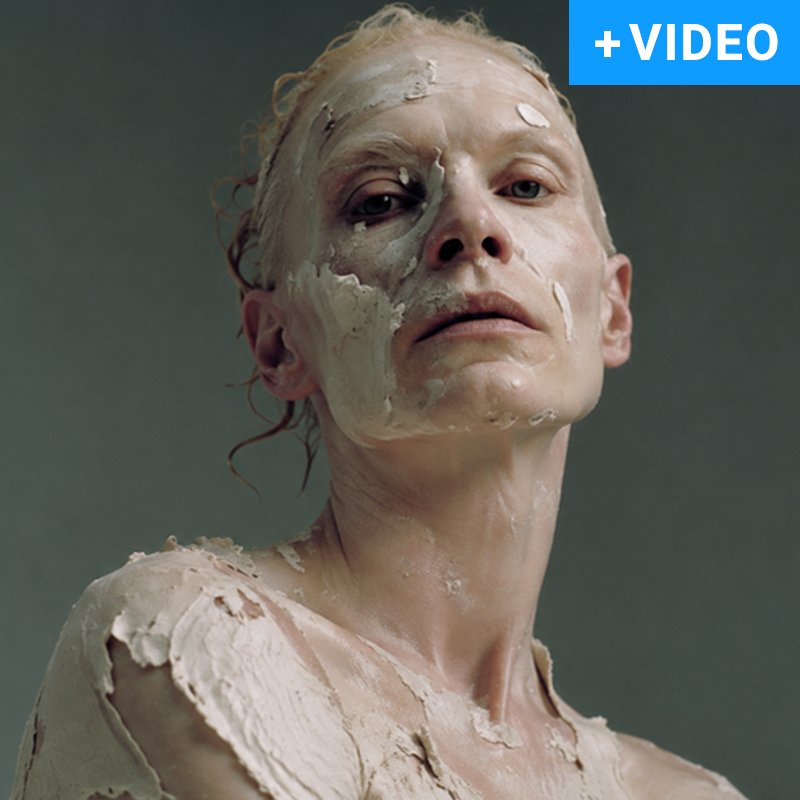
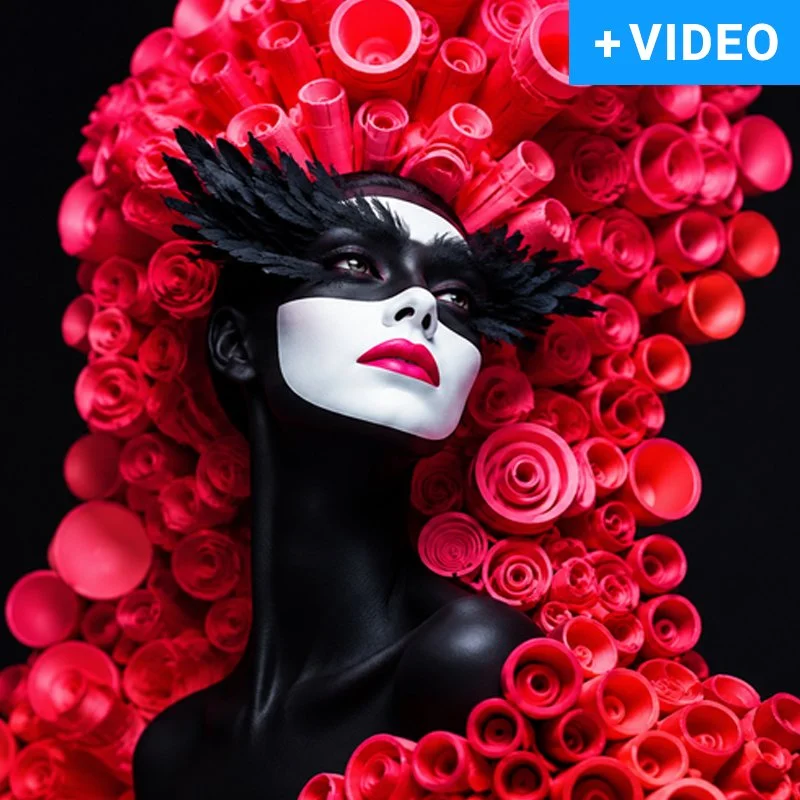
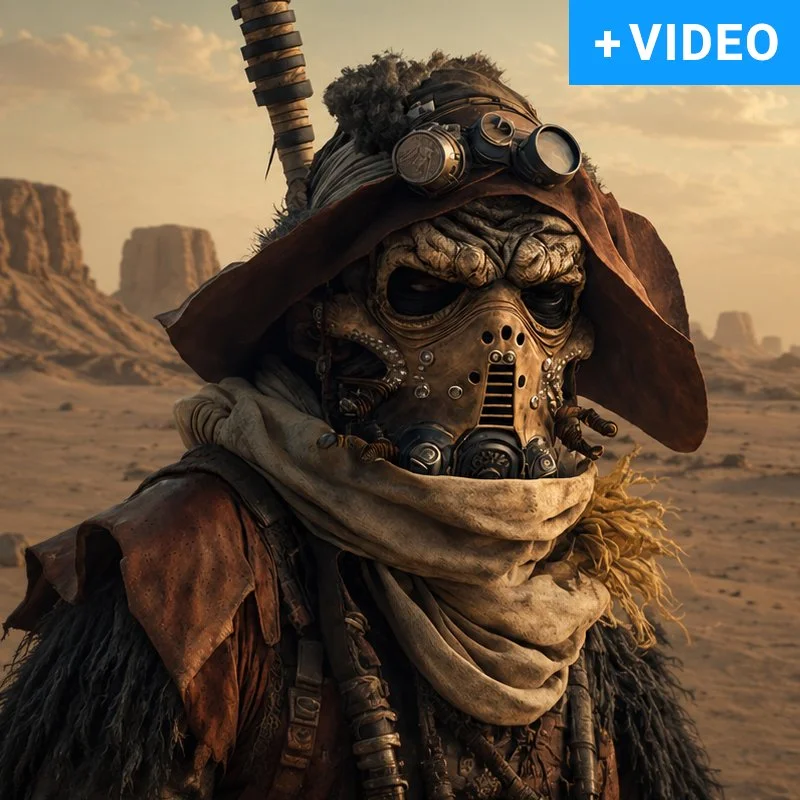
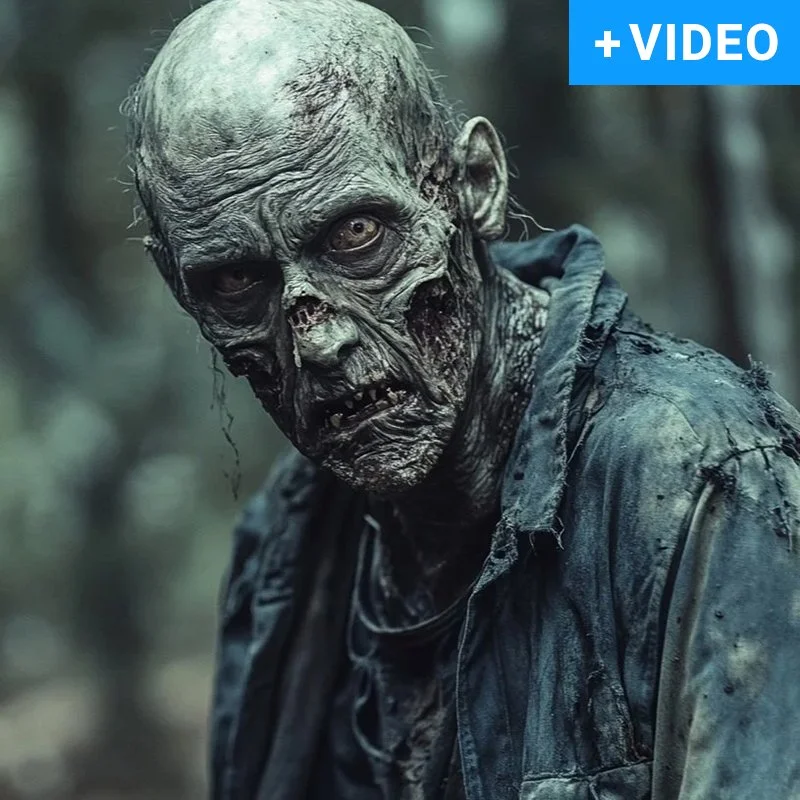
Eurylae started as a question. Could one person build a whole fictional world, with its own peoples, cities, machines and myths, and make it feel like concept art for a film that doesn't exist yet? Eurylae: The Chroma Saga is the answer I've been building since 2022. A world that is both a person and a place, told in fragments across five color-coded cycles.
Saga cycles: 5, each with its own color: Noir, Verdant, Crimson, Ivory, Cerulean
Concept art sets: 170+ across characters, environments, machines, creatures and food
Stories: 30+ episodic fragments in Season Two alone
Production Dispatches: A public diary, Oct–Nov 2022
Motion: Cutscenes and character screen tests
Tools: Midjourney (about 95%), Photoshop, FaceApp, After Effects, Runway
The Brief
I Set Myself Three Rules
Treat it as a non-linear cinematic universe in pre-production. Every image had to work as concept art for a production. Characters with factions and histories, environments that could hold those characters, and the machines that move between them.
Give the world a system, not just a style. Each saga cycle has one colour, and the colour carries its own mood, peoples and places: Noir, Verdant, Crimson, Ivory and Cerulean.
Let the audience build the story. No single plot. Stories arrive as fragments, and readers assemble the saga themselves.
The spark was Henry Darger, the outsider artist who spent decades building a vast private world alone. The structure came from Twin Peaks: a place where every fragment hints at a larger whole you never quite see.
Process
A World Bible Organized Like a Production
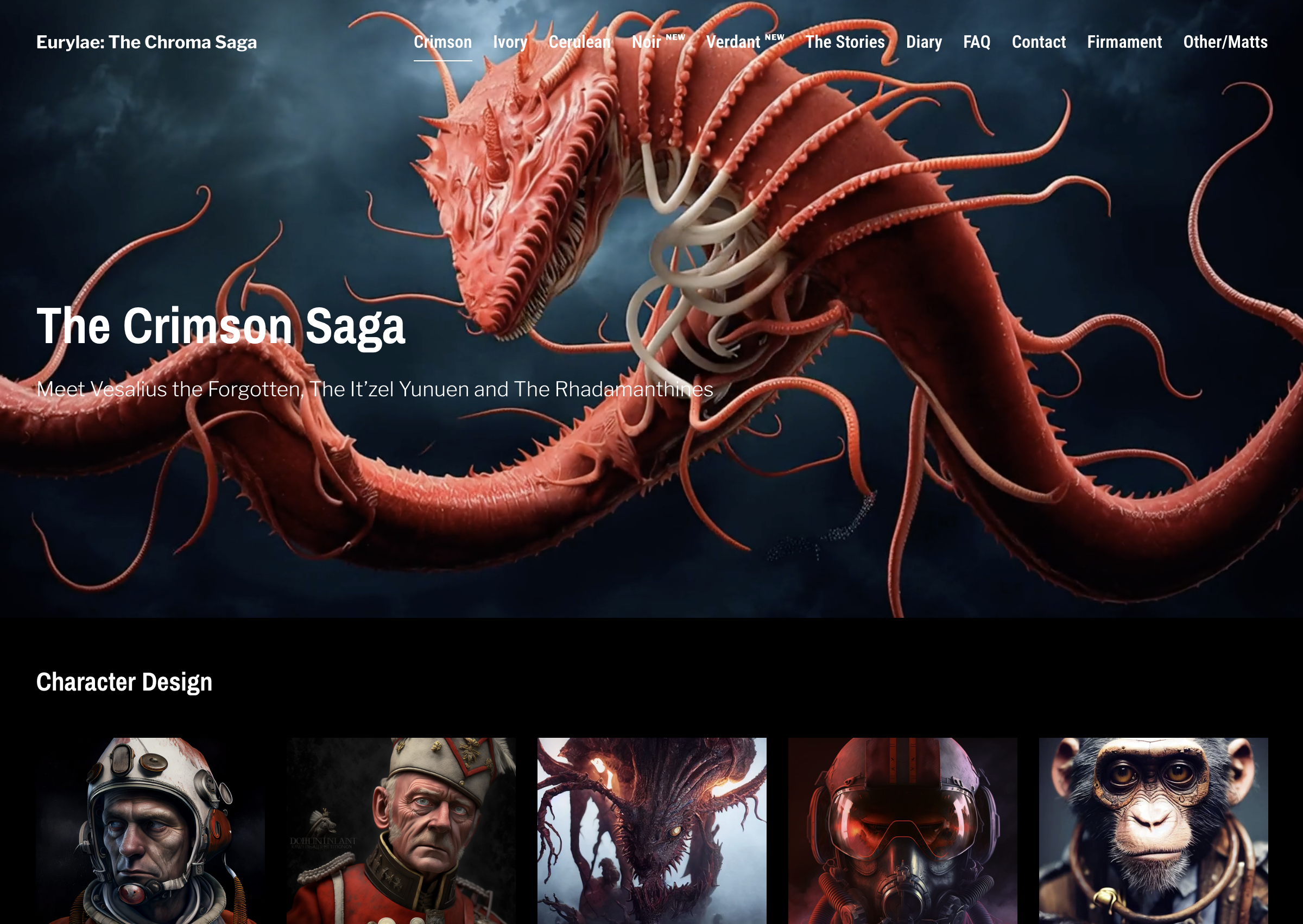
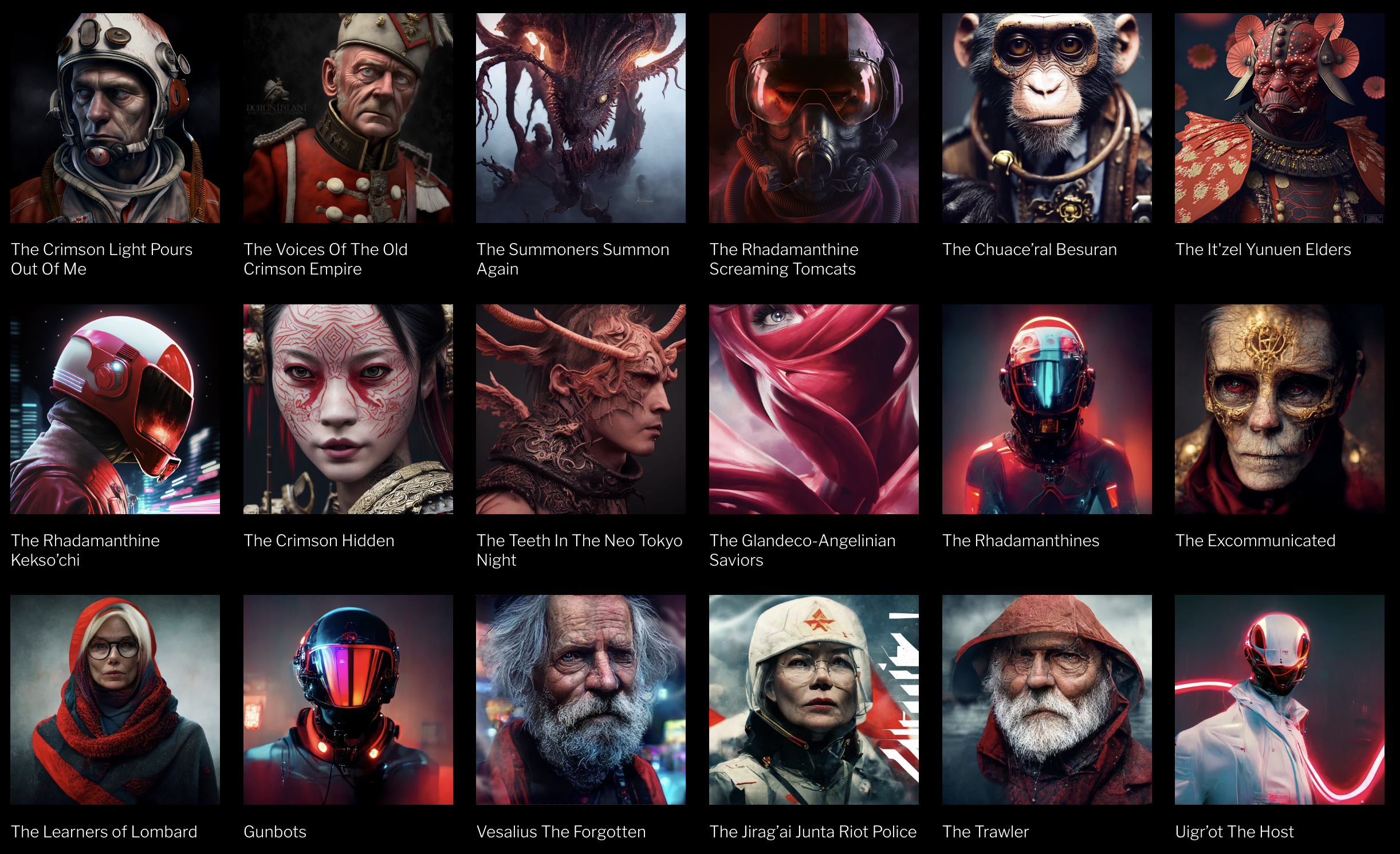
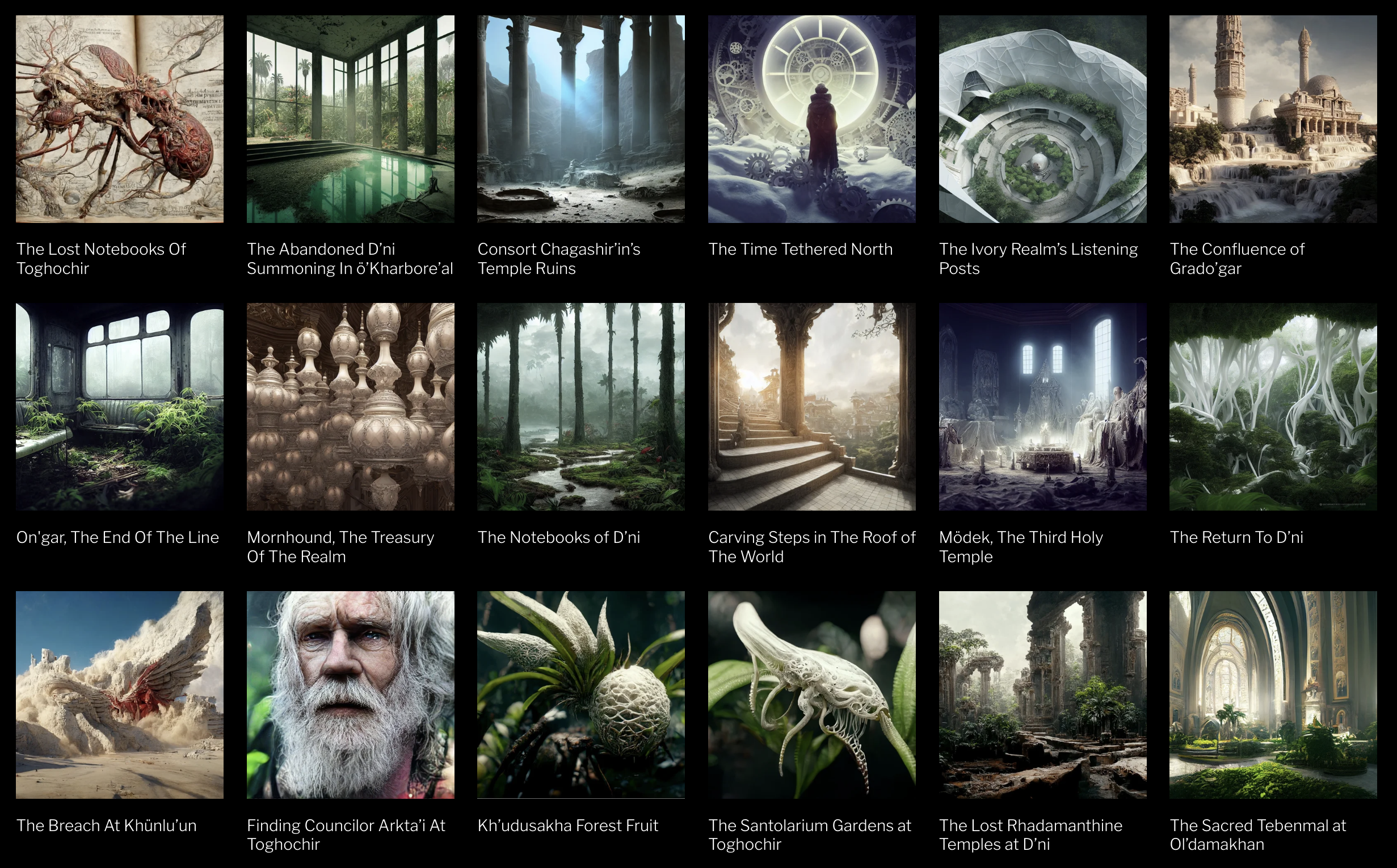
Each cycle is broken into the departments a film's art team would use: Character Design, Environment Design and Machines & Transportation, and in Ivory even Food & Drink. Crimson alone holds 26 sets: 10 character sets, 11 environment sets and 5 vehicle and machine sets. Every set is named as if it came from inside the world: Vesalius the Forgotten, the It'zel Yunuen elders, the Rhadamanthines, the port city of Theophanas, the dead beaches of Tokuganira, the Chile'ju Quarter of Proto-York.
Color as the Organizing System
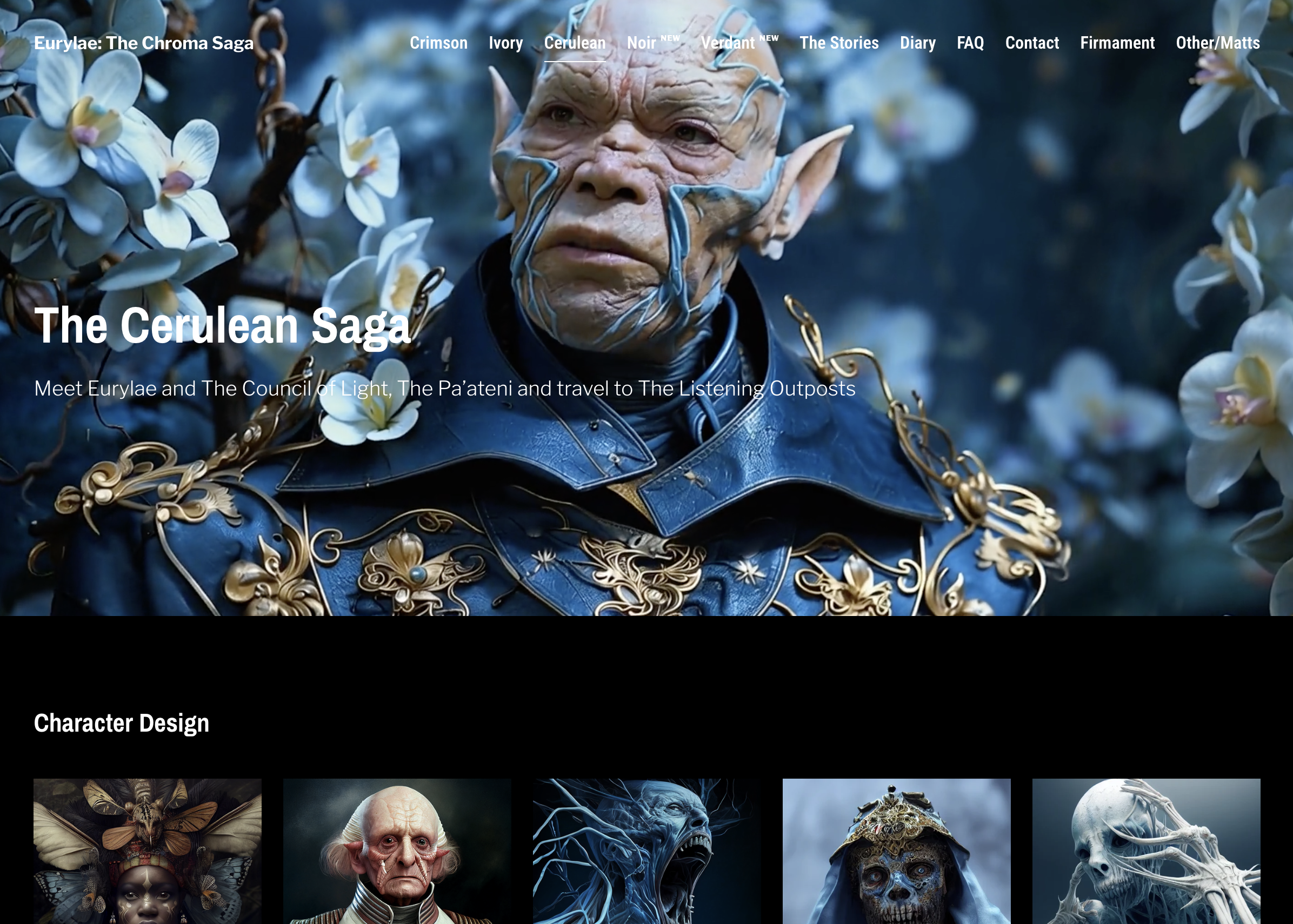
Color decides which cycle a piece belongs to, so a viewer can tell where they are in the world from a thumbnail. Noir is high-contrast black and white, with film-noir light over Proto-York. Crimson is autumnal and blood-red, the home of Vesalius and the Rhadamanthines. Verdant, Ivory and Cerulean each carry their own peoples and palettes.
An iterative Image Pipeline
Midjourney produced about 95% of the imagery. Each subject went through many rounds of variations before one set was kept. I finished frames in Photoshop, refined faces with FaceApp, and built motion in After Effects. The shared visual language (hyper-real, highly detailed, photographic light) comes from reusing one consistent prompt vocabulary across every cycle, so a character from Noir and a landscape from Cerulean still feel like the same world.
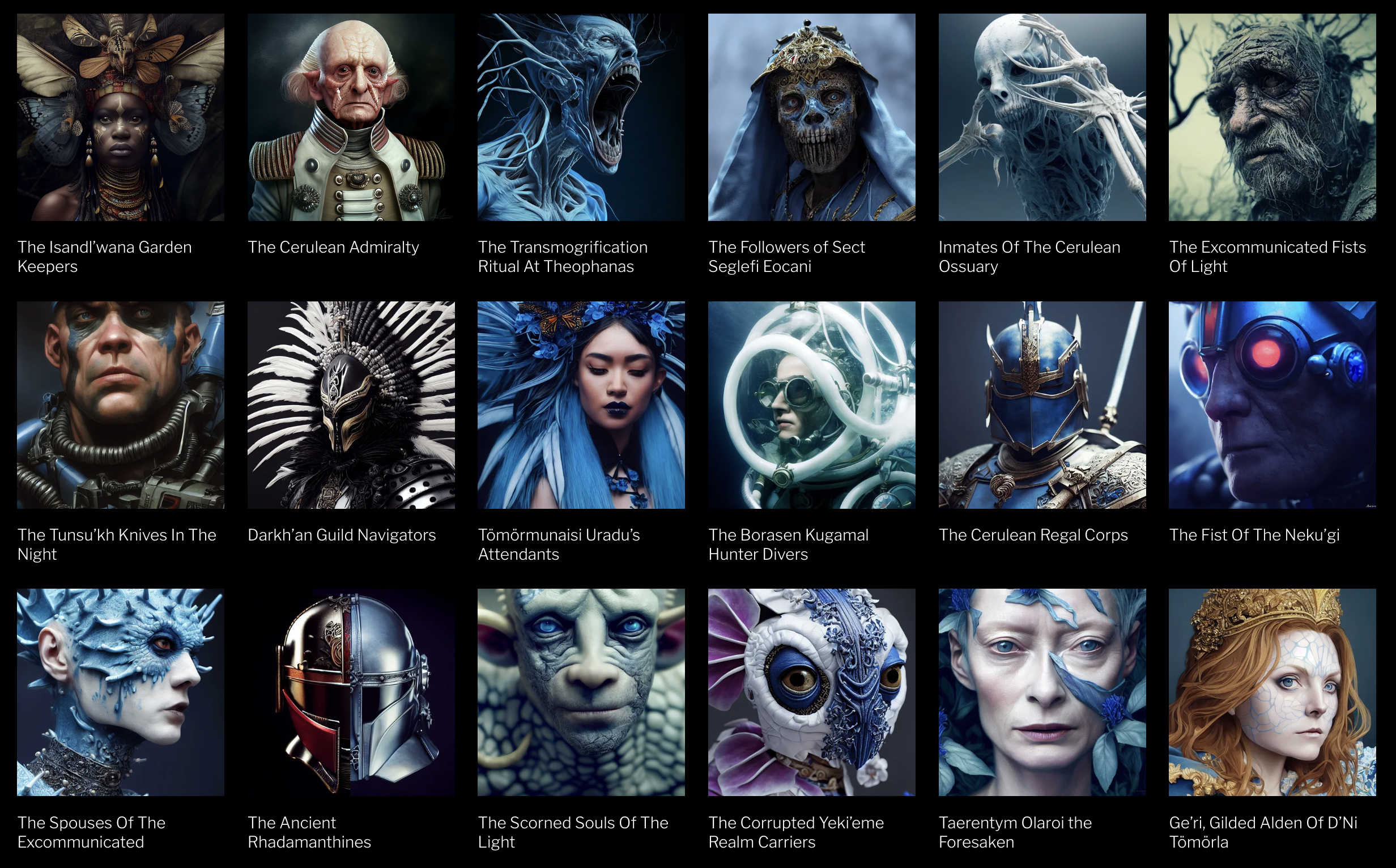
Production Dispatches
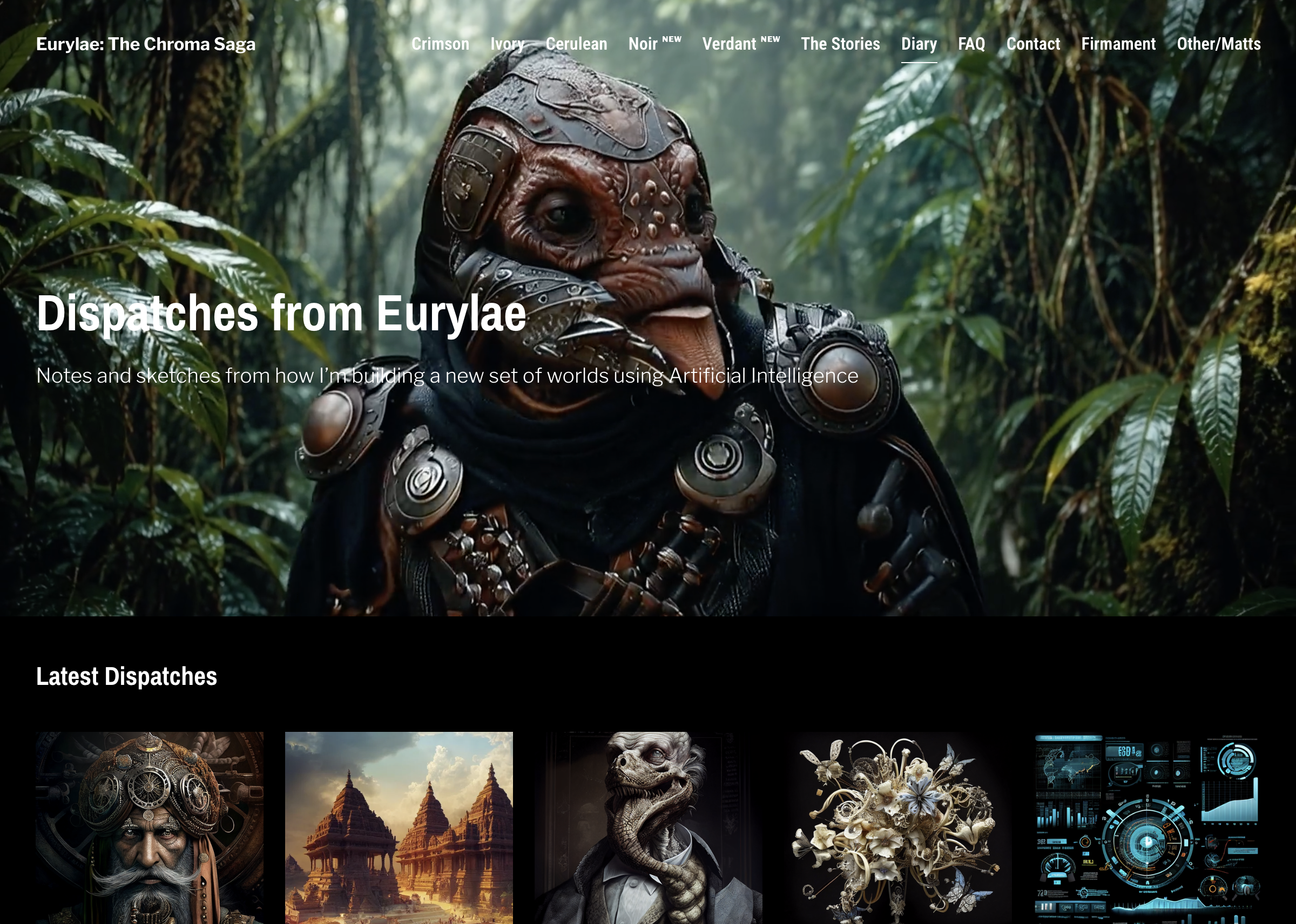
Through October and November 2022 I kept a public production diary. Dated dispatches such as The Towers of Silence, The Cerulean Ice Kings, The Spioenkop Garden Tenders, The Lost Limbic Temple Cities and The Screaming Crows. Each dispatch shows a subject being explored across many variations before it was folded into a cycle.
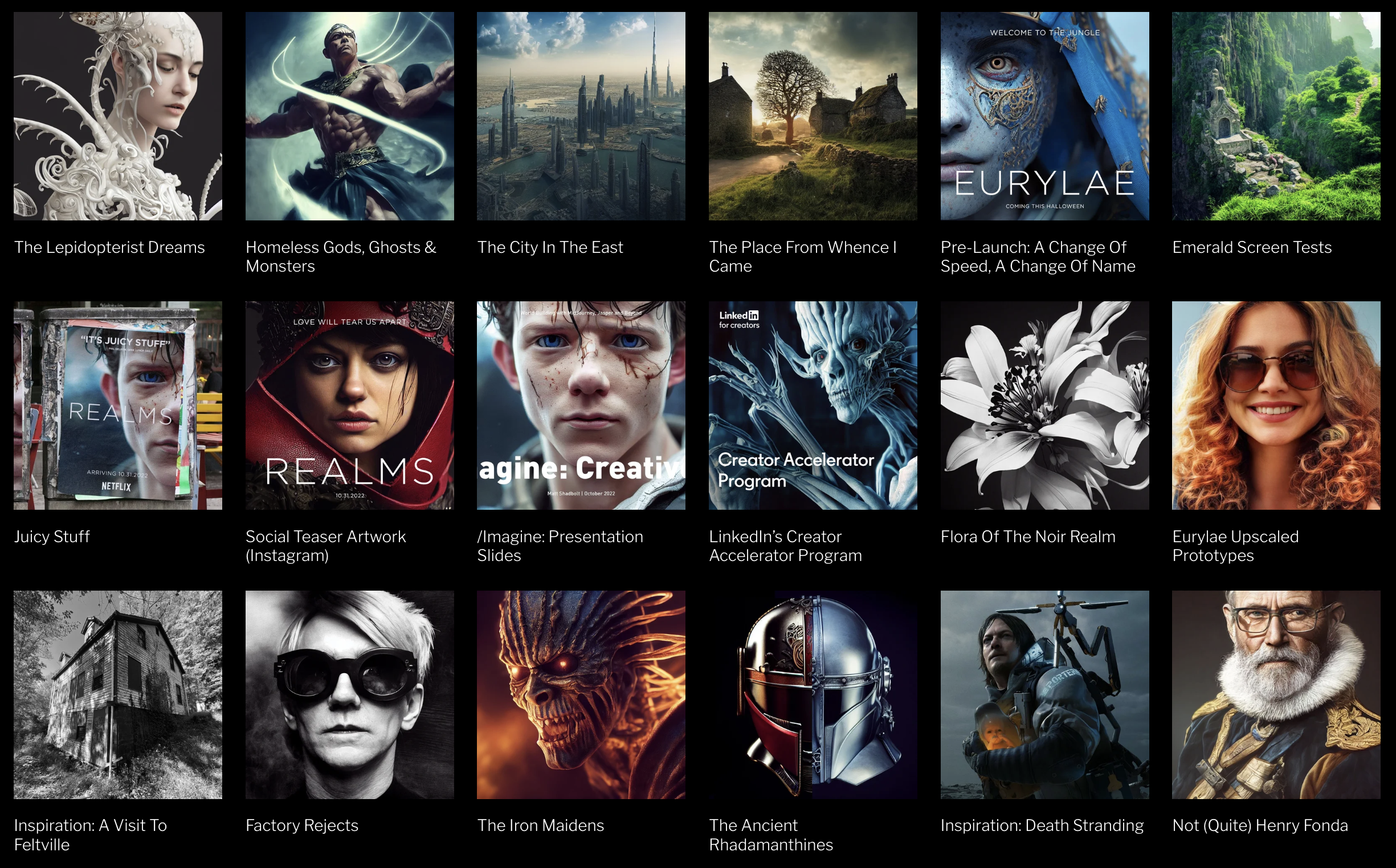
Stories as Fragments
The narrative sits in short stories, each a six-panel fragment of text and images, grouped into seasons. Titles like My Name Is Vesalius, Screams, Then Silence and The Crimson Hidden are written from inside the world. There is no reading order: readers move between cycles, characters and places and piece the saga together.
The stories hub calls them "episodic windows into the worlds of Eurylae". Season Two alone runs to more than 30, and the titles read like lines overheard from inside the world: The Final Order Came At Dawn, Fetch The Notebook, We Must Call On D'ni For Help, We Have New Parents Now, Disperse Or Die. Recurring threads, such as the notebooks, the listening posts and D'ni, reward readers who move between cycles.
A Navigable Site
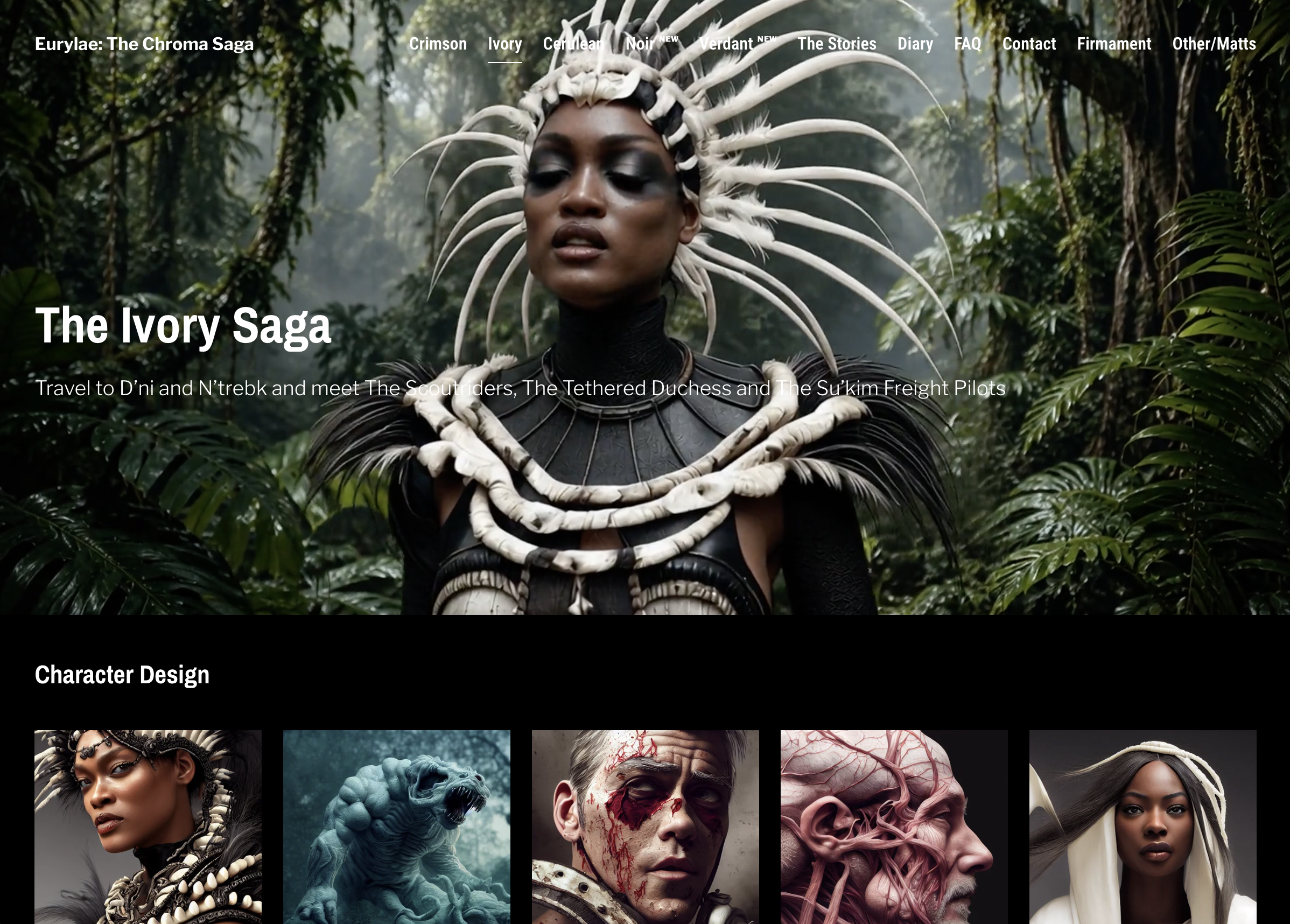
Eurylae.com works like an open world: five cycles, a stories hub, the production diary and an FAQ written in-world (Orienteering Through the Sagas). The navigation is part of the storytelling.
Animated Motion Sequences
What Eurylae Shows
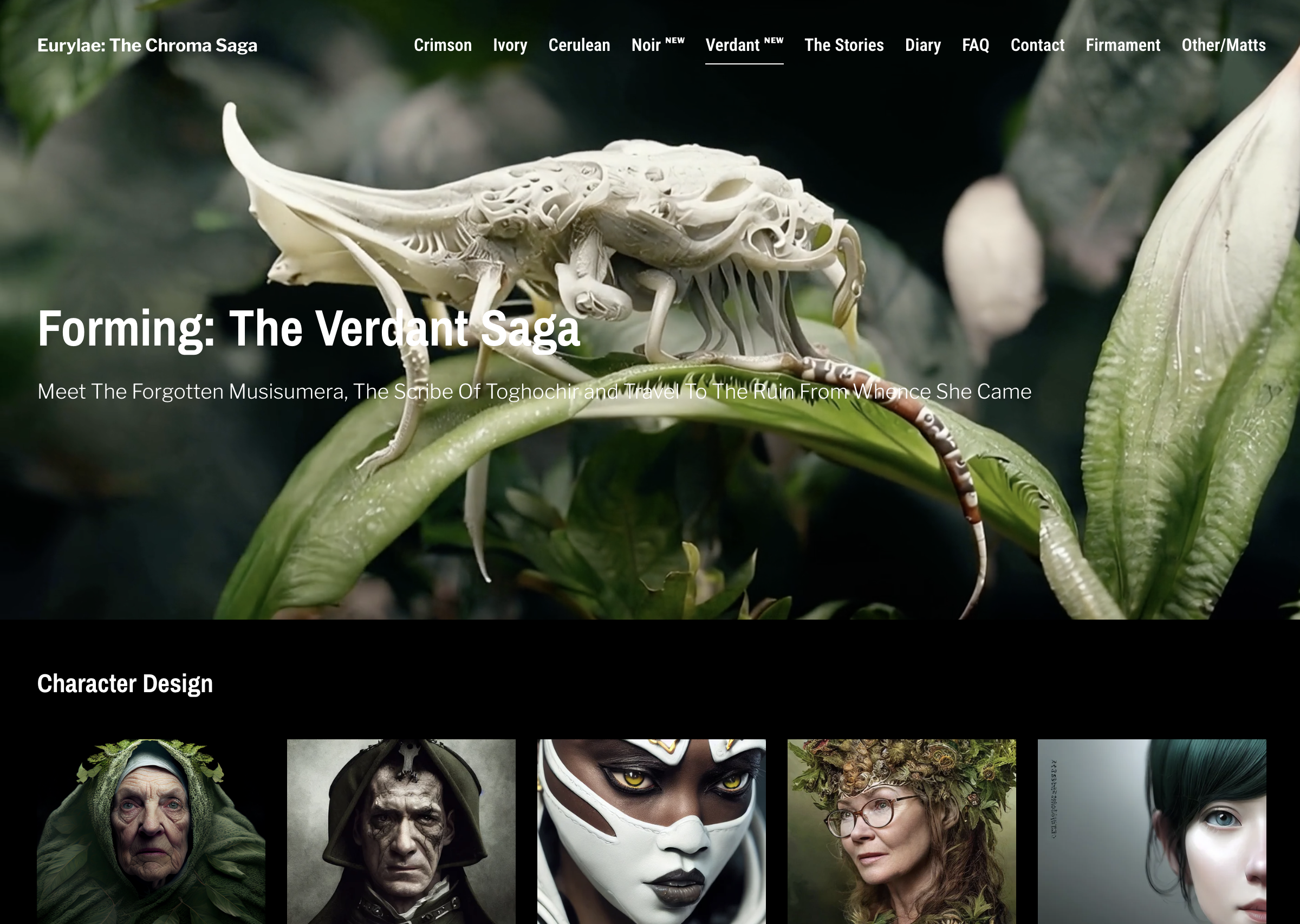
Eurylae was made in 2022, early in the life of these tools, and some of it shows its age. What still holds up is the system underneath: a world bible organized by department and by colour, a consistent visual language across five cycles, and a structure that lets an audience explore rather than follow. That system is how I still work, and it's what What Eurylae Should Have Been on Artificial/Matt picks up from.
What a commission from this looks like:
A world bible or look book for a game, series or film pitch
Peoples, places and machines in one consistent language
Faction and character line-ups that stay consistent across dozens of figures
Previz and screen tests that bring those designs into motion
A navigable, non-linear story world for a brand or IP launch
Tools and Provenance
Imagery: Midjourney (about 95%), finished in Adobe Photoshop, with FaceApp for face refinement.
Motion: Adobe After Effects and Runway.
Story drafts: Written with help from Jasper, then edited by me.
Site: Squarespace. Eurylae is a strictly non-commercial personal project.