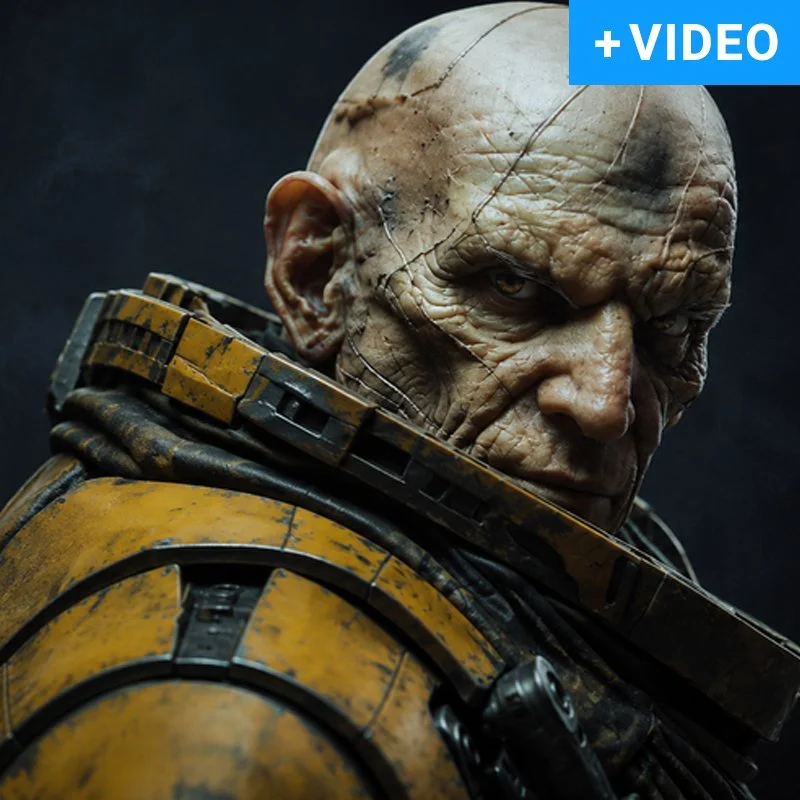
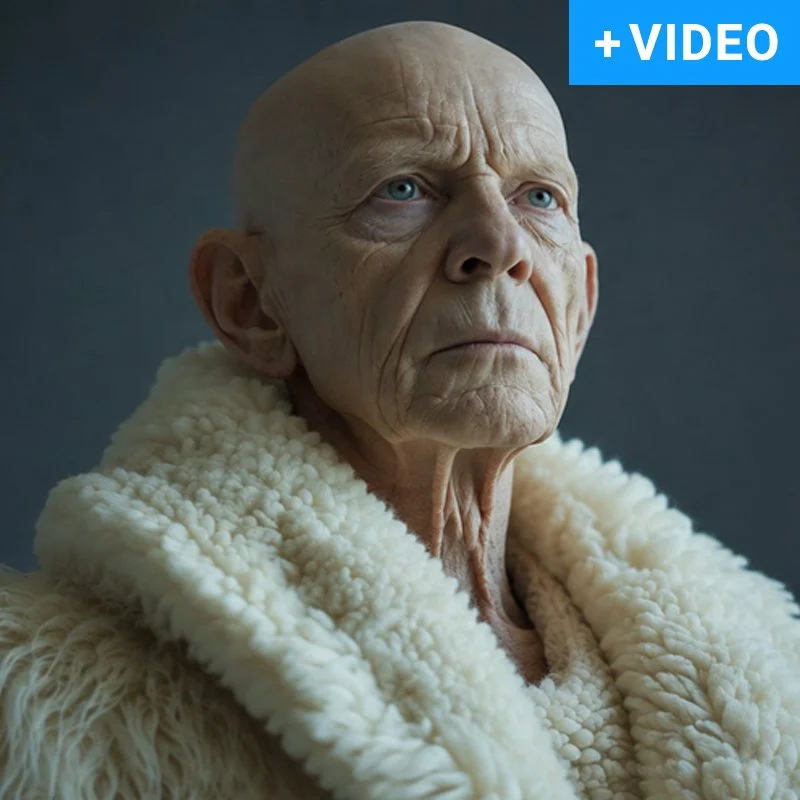
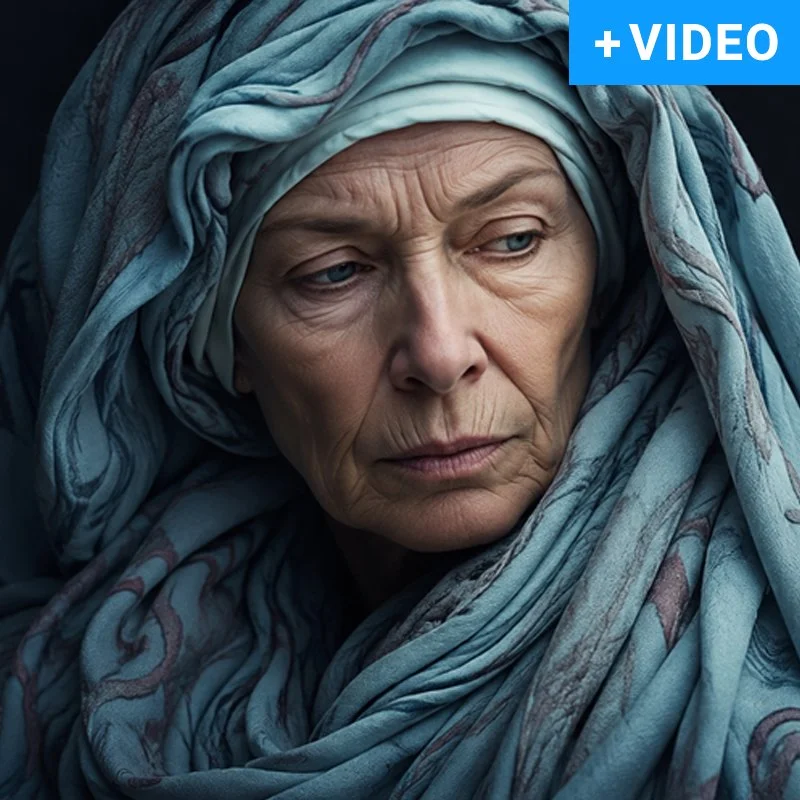
Case Study: Holding A Two Minute Tracking Shot
Self-initiated · 2026 · Previz, Camera Direction, Character Consistency, AI Video
A single continuous tracking shot through a procession of original characters, held for two minutes in Runway. No cuts. The camera keeps moving, and the world holds together.
Runtime: ~2:00, one continuous shot
Cuts: None
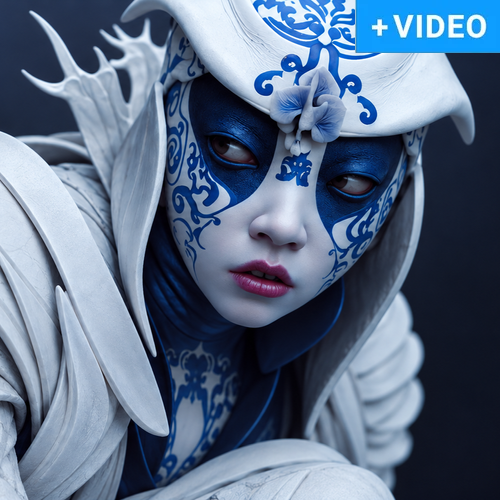
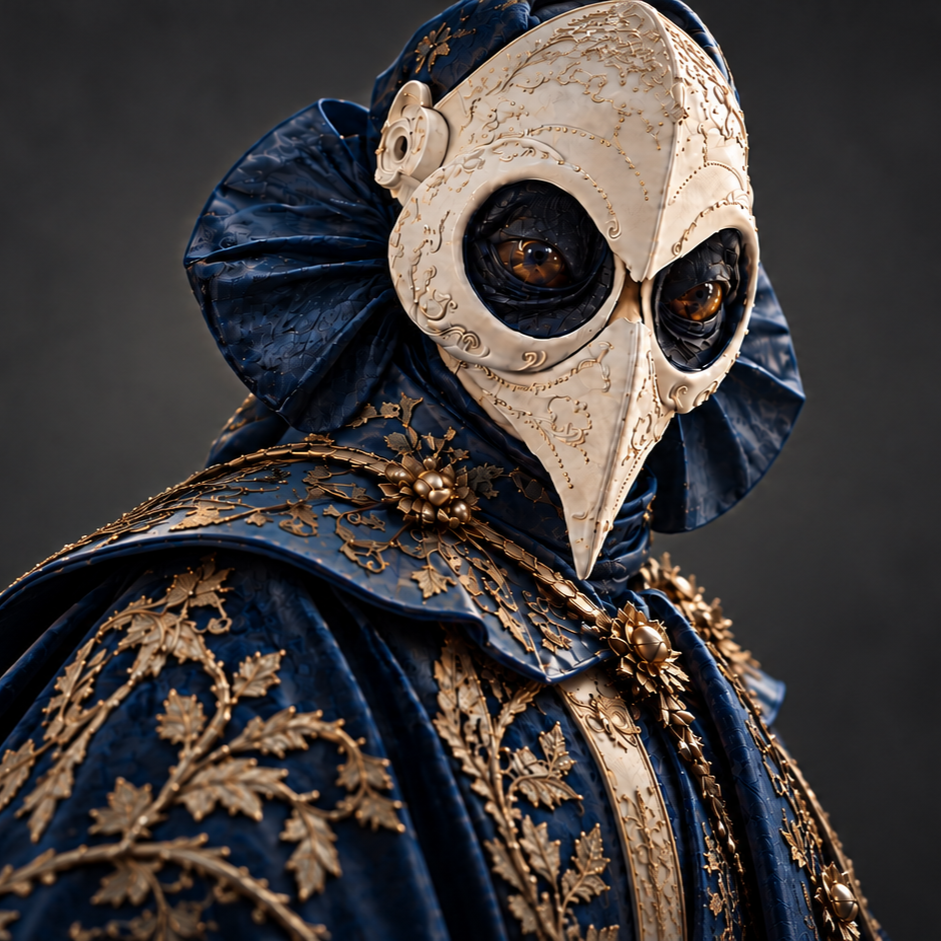
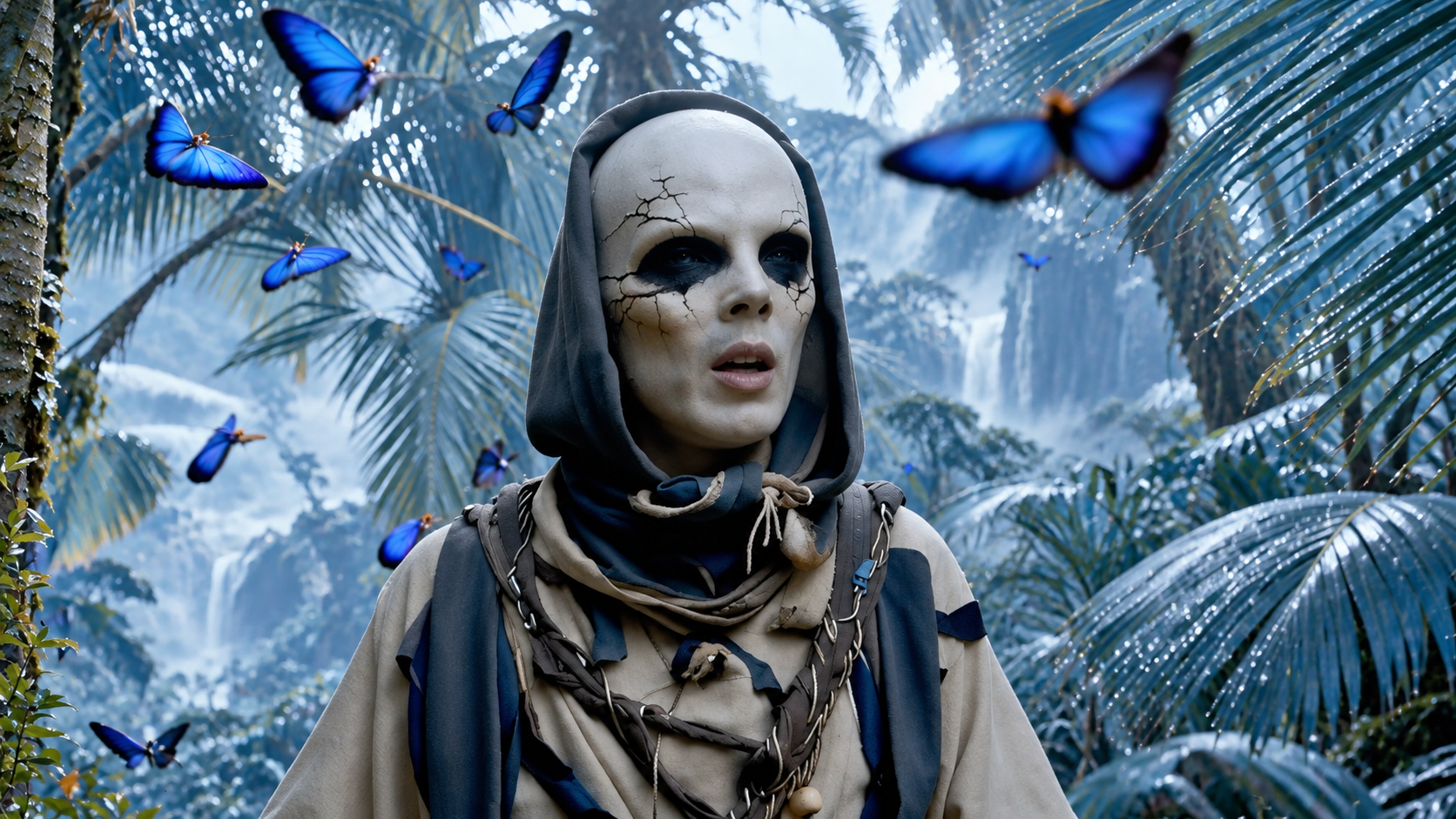
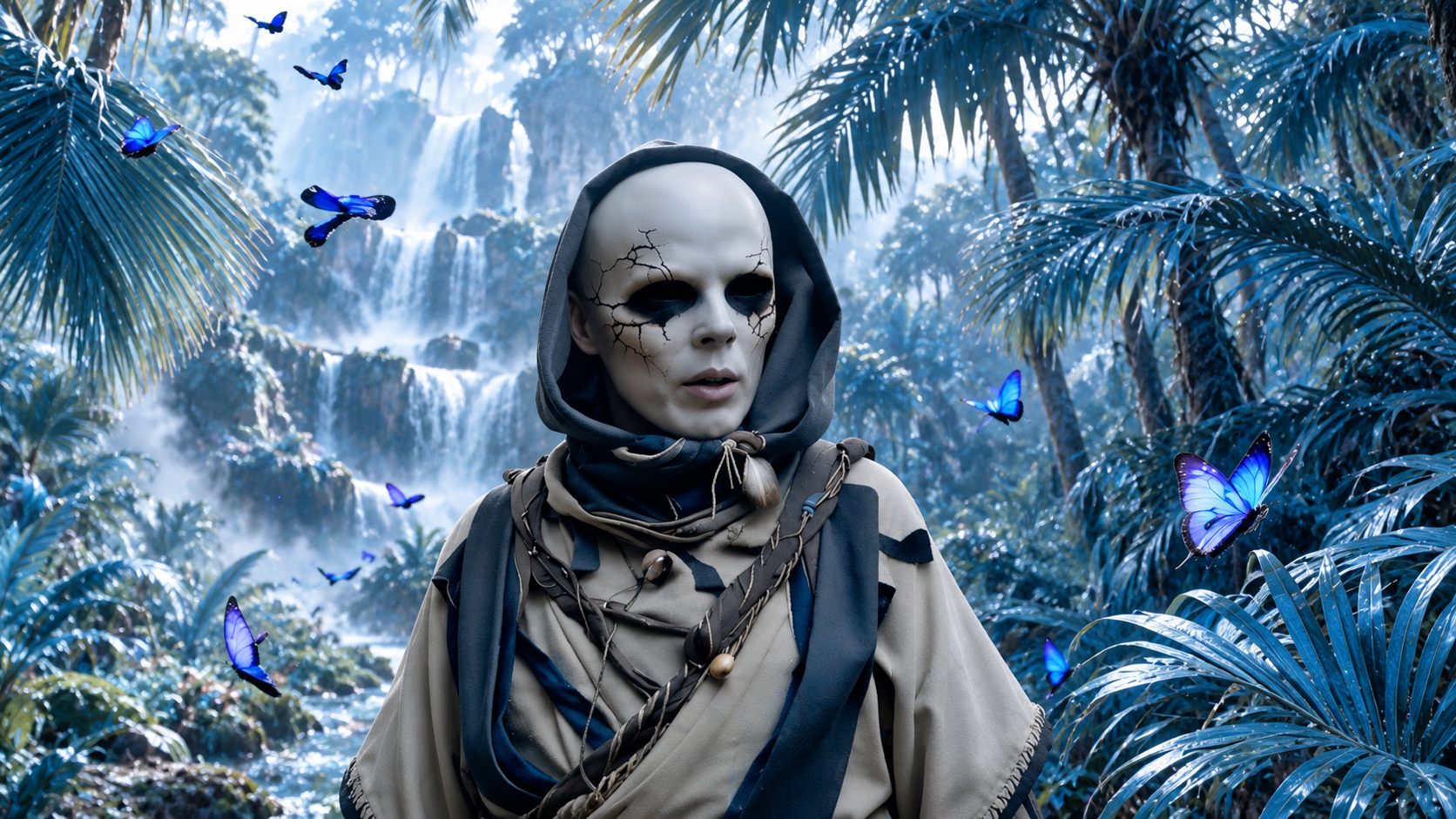
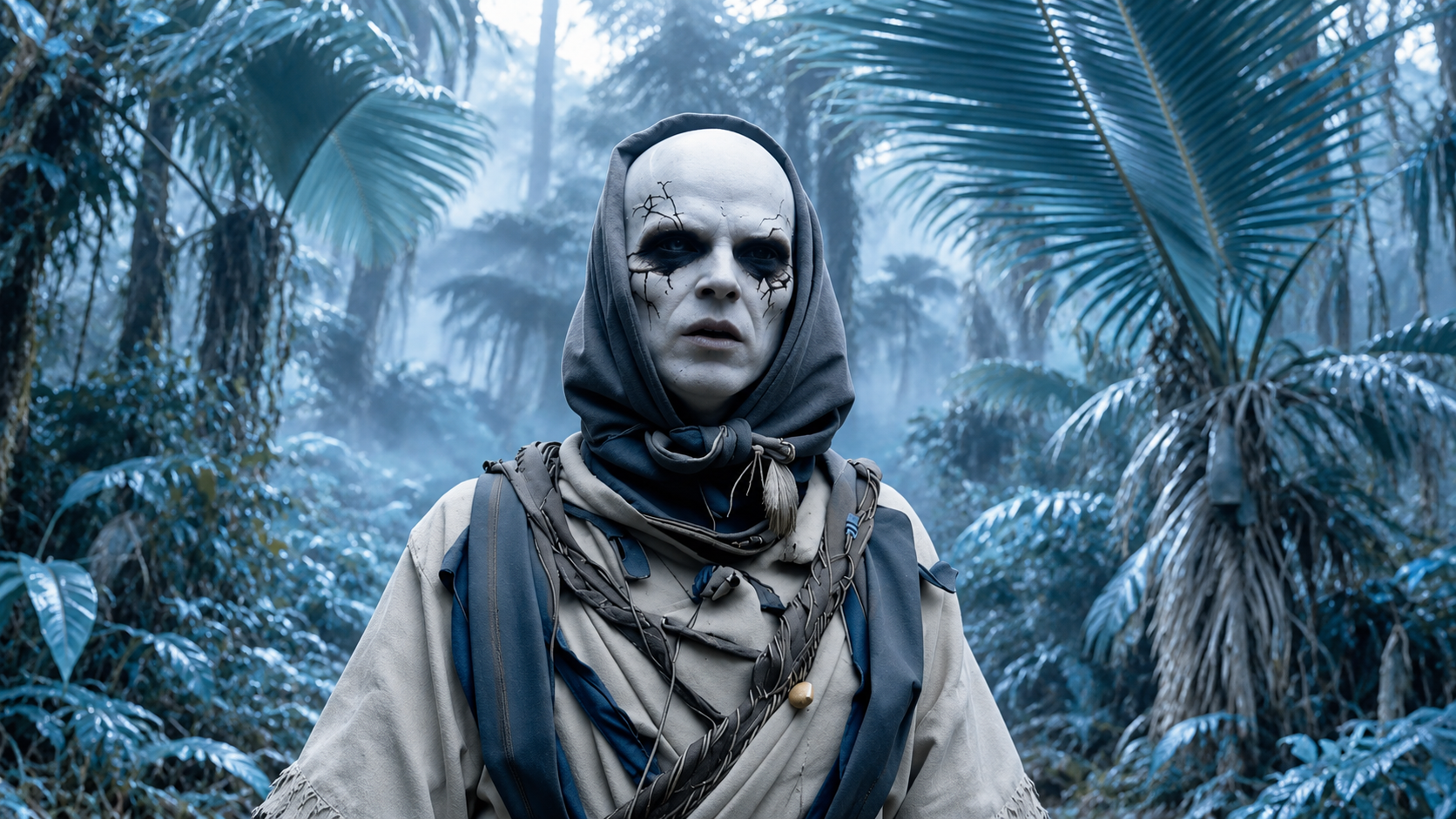
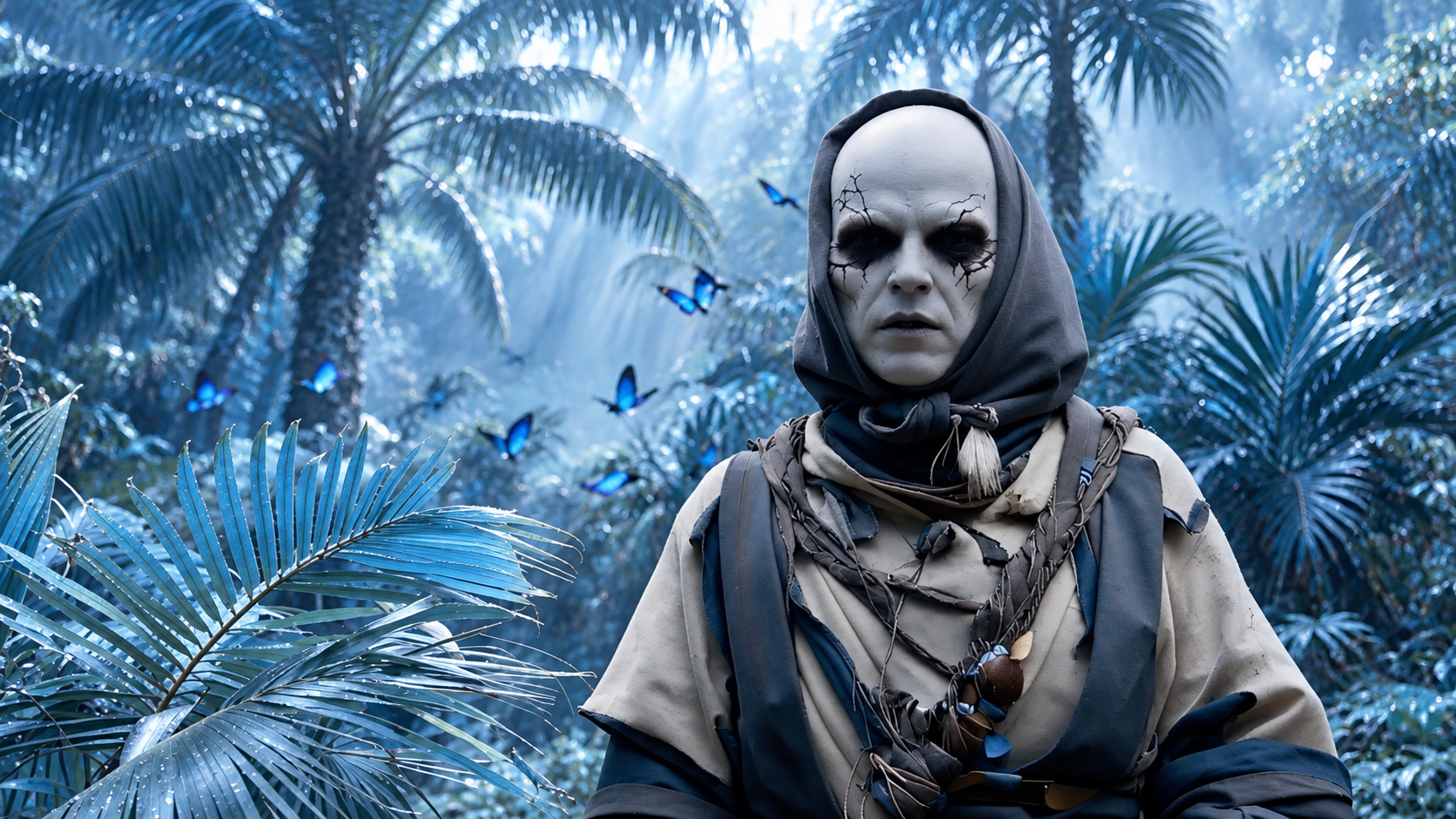
Subject: The Dark Blue Eurylae Ambassadors, original characters from the Eurylae world
Camera: Tracking move: dolly, lateral track, push-in
Tools: Runway, Midjourney, Adobe Photoshop, Chat GPT, After Effects
Segments: 12
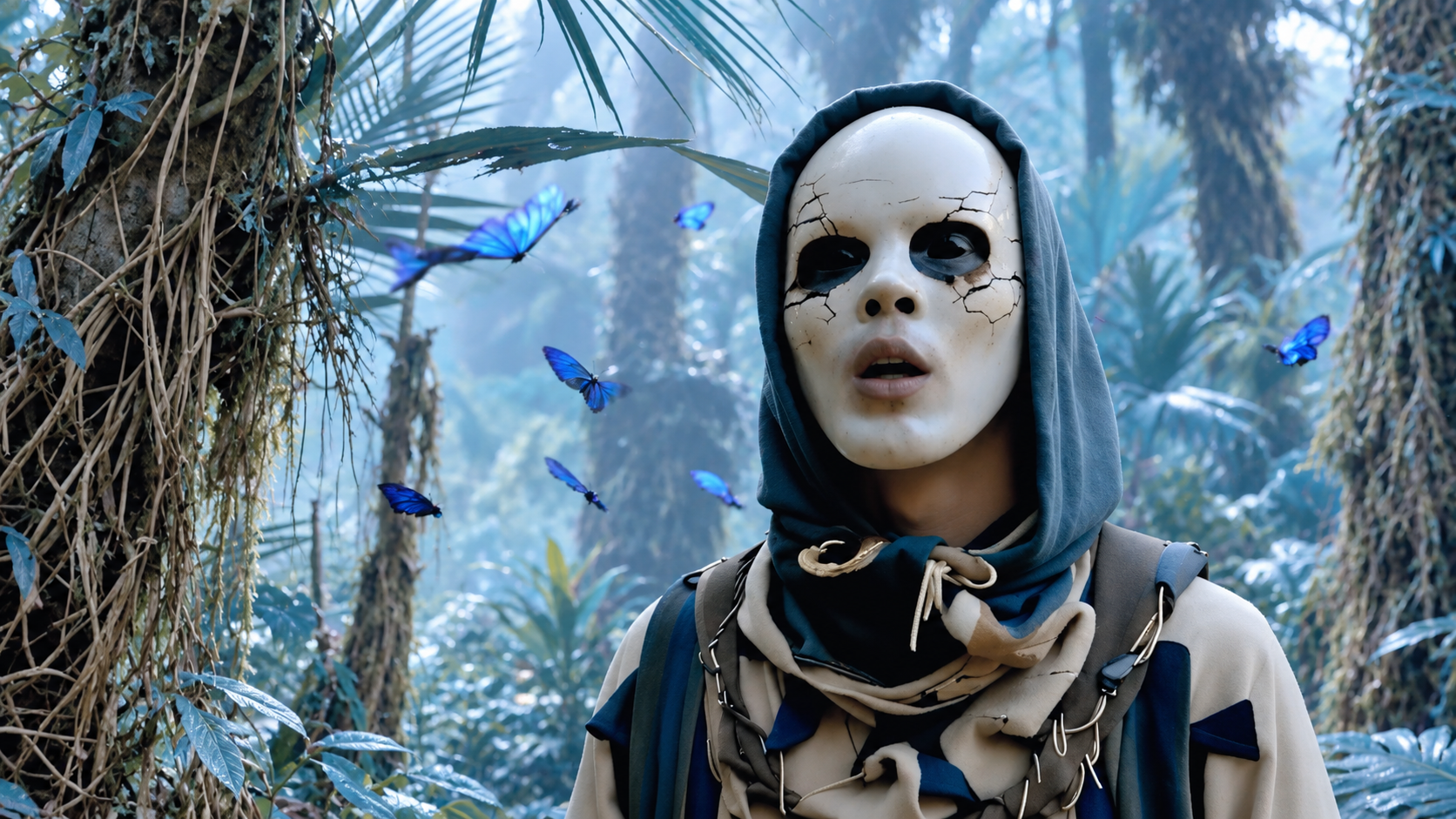
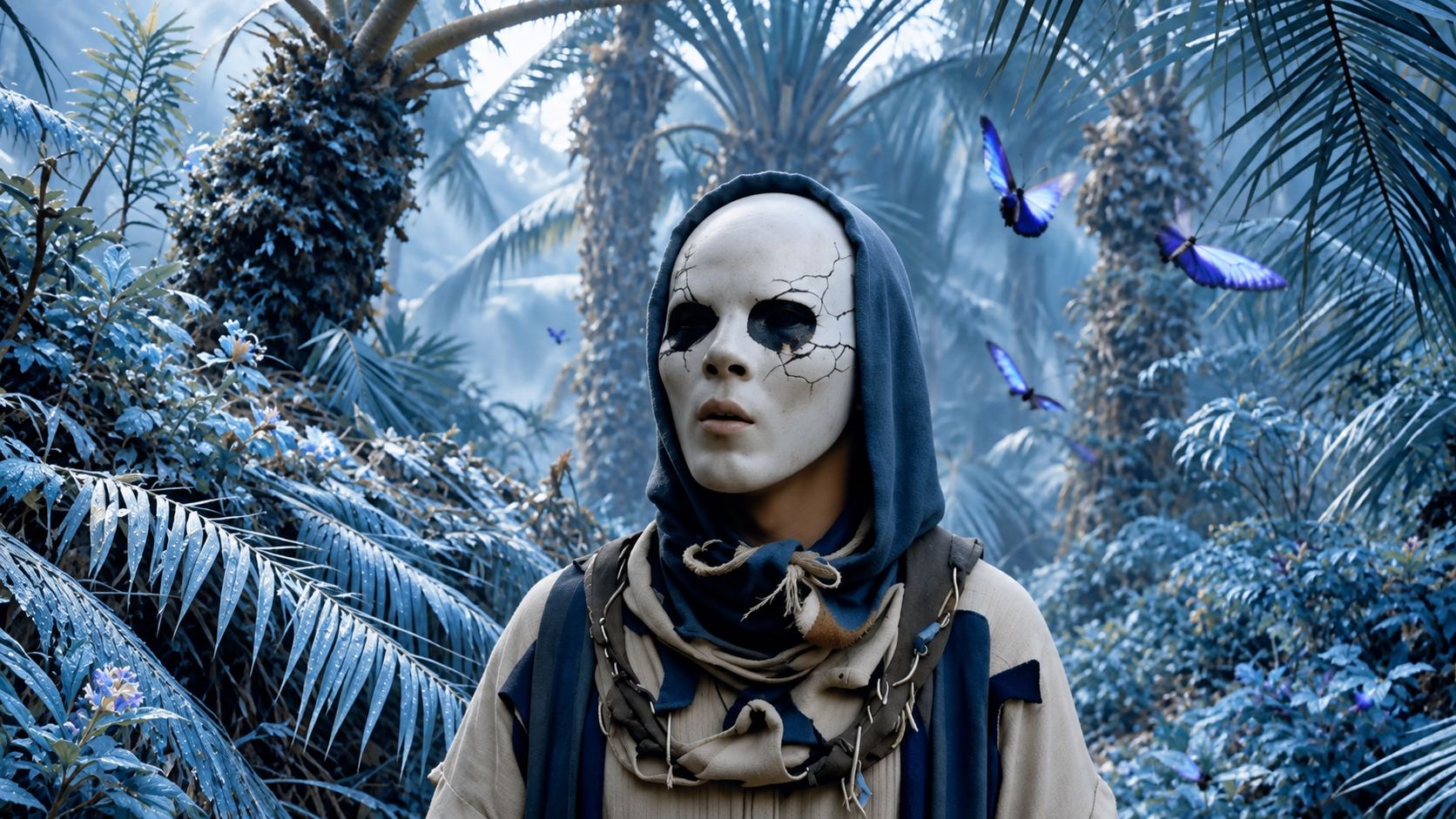
Most AI video lives in five- and ten-second clips, cut together fast enough that nobody notices what changes between them. A long take removes that cover. Every second the camera keeps moving is a second where faces can drift, costumes can change and the world can quietly fall apart. This project set out to hold one shot for two minutes and keep everything in it true.
The Brief
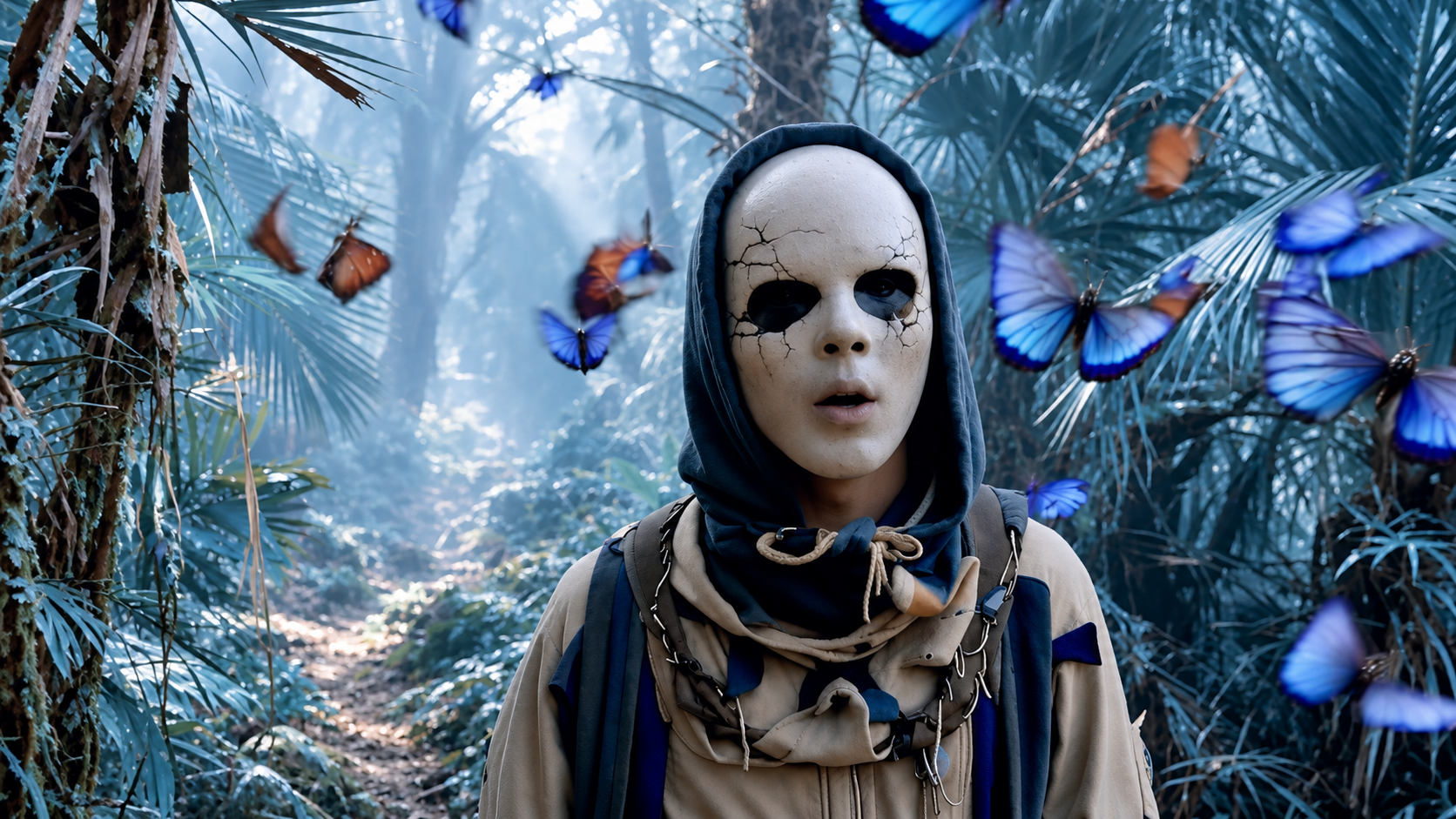
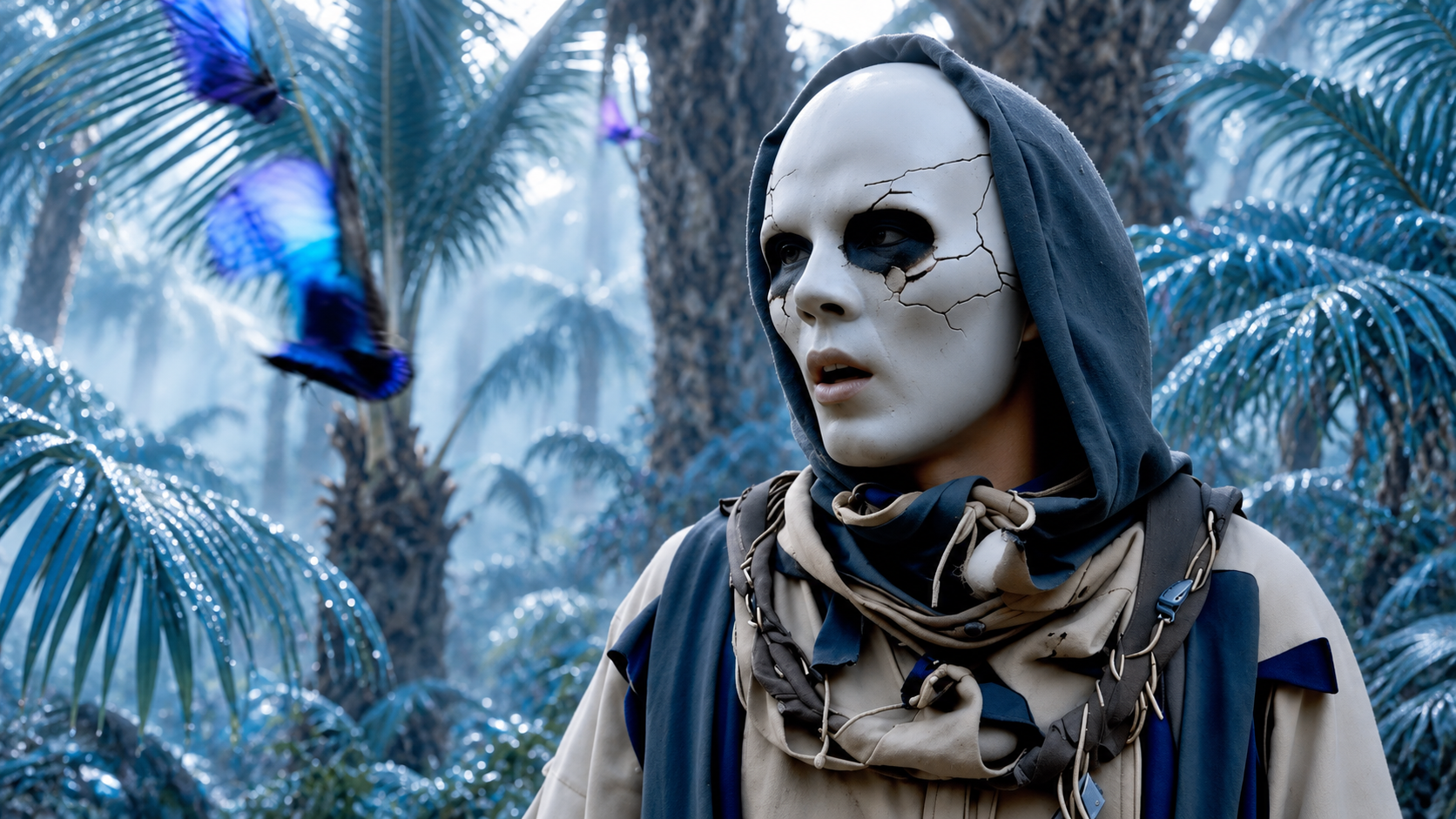
The long take is a filmmaker's statement of control. The camera does not look away, so nothing can be hidden in the edit. I wanted to know whether generative video could pass that test.
The Rules:
No cuts. One continuous move from the first frame to the last.
No drift. The Ambassadors must stay themselves: the same faces, the same deep-blue costume language, the same light, from the start of the shot to the end.
Motivated movement. The camera moves like a real camera on a real rig, with weight, speed and purpose. No floating.
A world, not a clip. The shot should feel like a scene from a production: characters in a space, with the space continuing past the edge of the frame.
The Ambassadors come from Eurylae, where they first appeared as stills. The long take asks what happens when a still world is asked to move, continuously, for two minutes.
Process
1. Design the move first. The camera path through the jungle came before any generation: where the shot starts, where it travels, which Ambassadors it passes and where it ends.
2. Lock the look. The Ambassadors were established as stills with one costume language and one light, so every segment had the same reference to return to.
3. Write the camera, not the scene. My Runway prompts follow one structure: a visual anchor, a beat-by-beat motion breakdown, camera direction and the colour grade. With image references loaded, most of the prompt goes to camera and motion: the move, its speed, the angle and the depth of field.
4. Chain the take. Generate segments and continue each one from the last frame of the one before, so the move never breaks across 12 sequences.
5. Guard against drift. Re-anchor the reference stills, regenerate any segment which drifted, a colour pass over the whole take in After Effects.
6. Assemble all individual sequences in After Effects. Render out as one continuous piece.
What This Shows
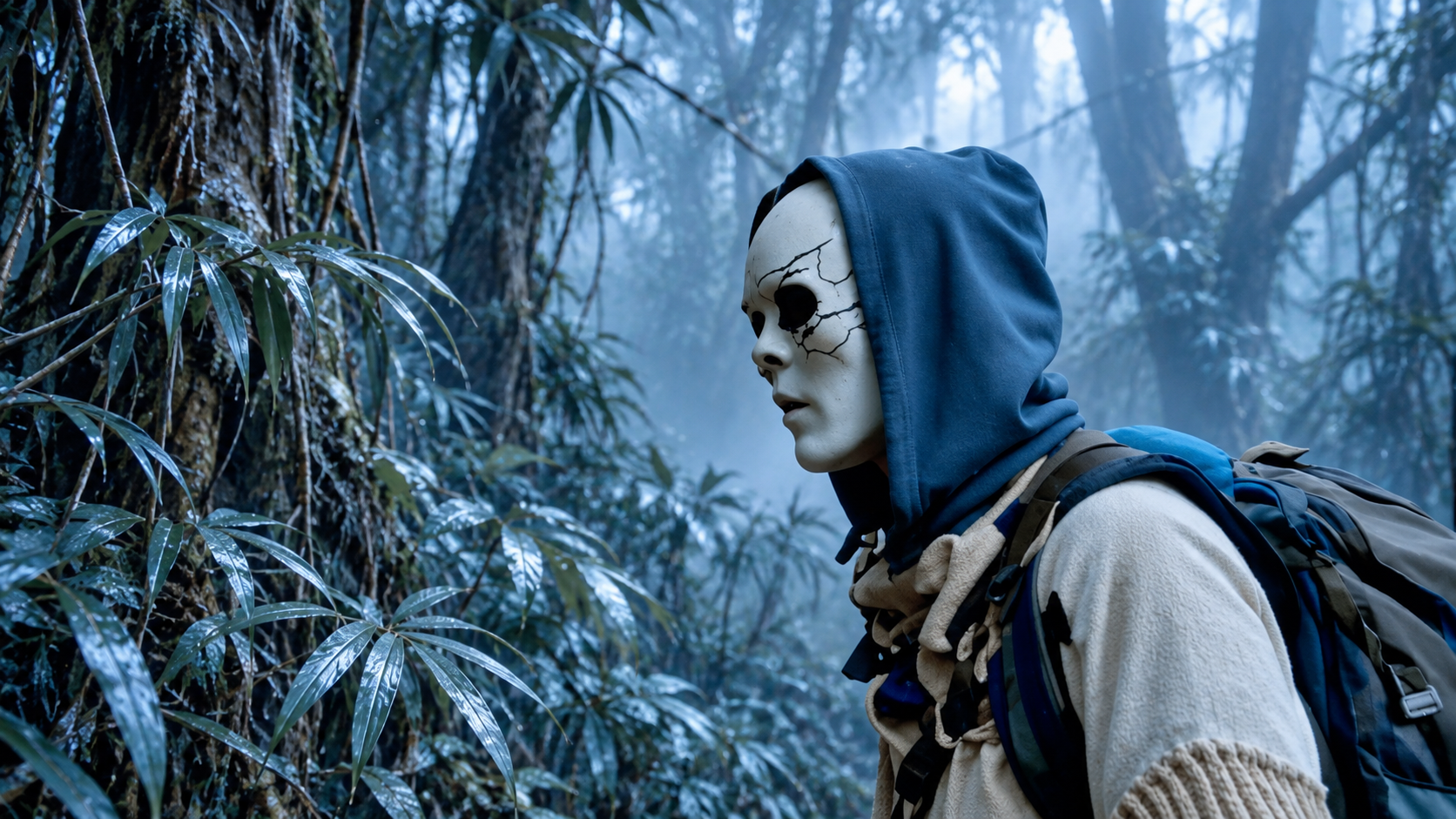
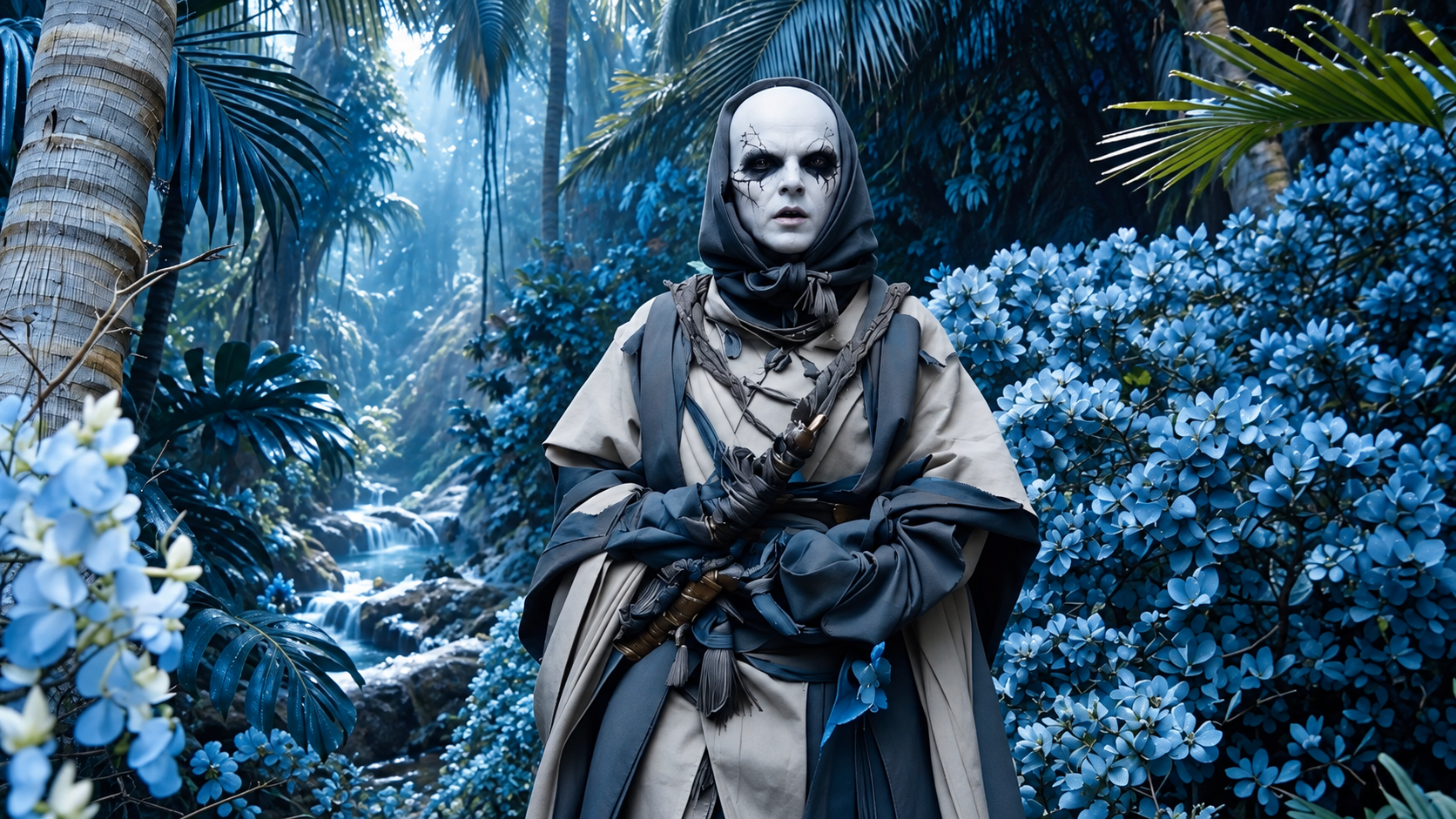
This is previz at the length a real scene needs. A studio can take a two-minute single-take concept to a director or a client and show exactly how the camera will move and what it will find. It is also a stress test that most AI video never attempts. Holding character and world continuity for two minutes is the difference between a mood clip and something a production can plan from.
Where This Applies:
Previz for long takes, oners and complex camera moves before a shoot
Pitch films that walk a client through a world in one continuous move
Game and theme-park concepts, where the camera is the player's point of view
Fashion and costume showcases that need a procession, not a montage